




Summary: In places too dangerous for emergency personnel to enter, robotics is becoming an integral part of emergency response operations.
Before entering a collapsed building, a smoke-filled environment or an area where hazardous substances may be present, the first question is always the same: is it safe to send someone in?
In some cases, the answer can come from a machine.
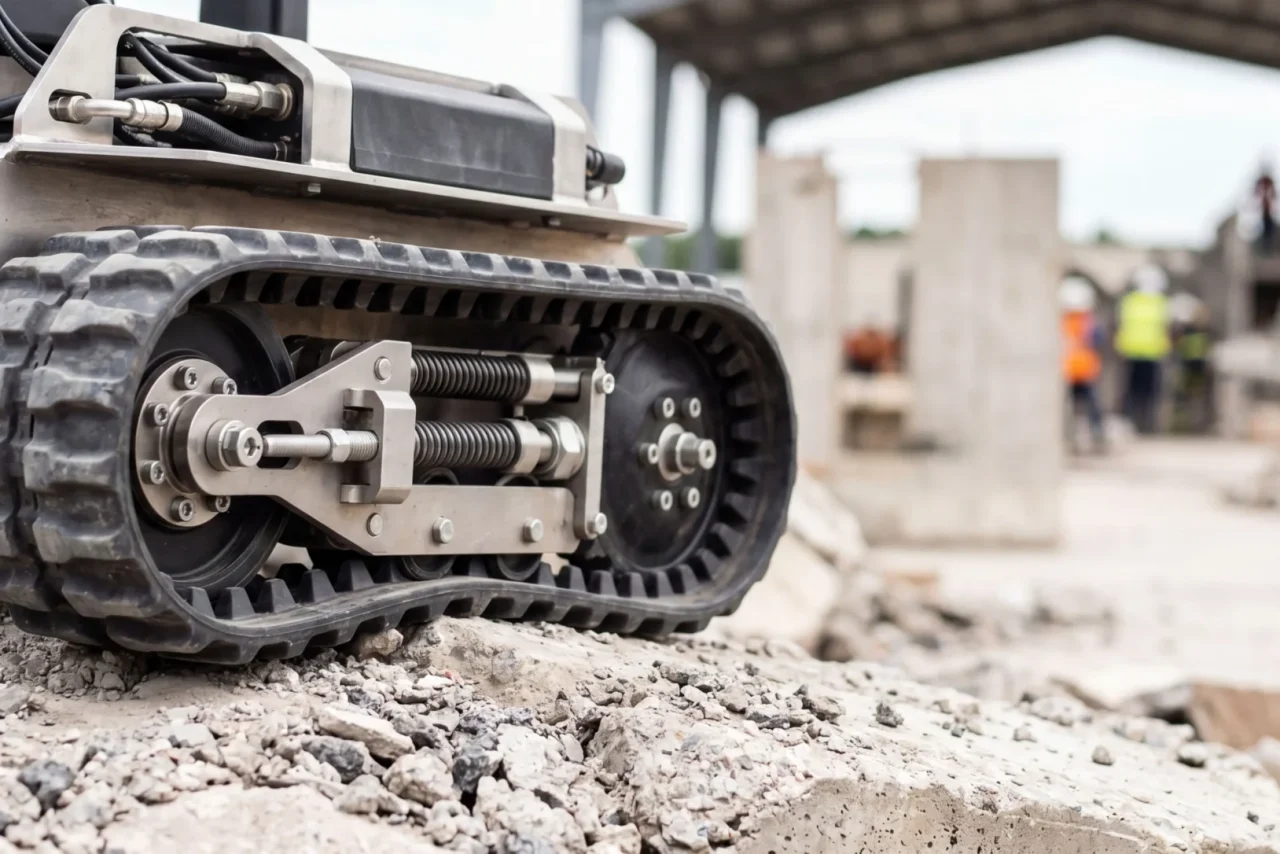
Fire and Rescue Services are already using robots in search and rescue operations carried out by USAR (Urban Search and Rescue) teams, alongside geophones, thermal imaging cameras and search cameras. The aim is to gather information about the environment and locate potential survivors without immediately exposing emergency personnel to danger.
Where humans cannot go yet
Robotics in emergency response is not designed to replace rescuers. Rather, it extends their ability to see and reach areas that would otherwise be inaccessible, particularly during the first few minutes of an operation.
Parliament allocated €35 million over the 2023–2025 period to strengthen the Fire and Rescue Services’ robotic capabilities. The programme includes ground-based systems for firefighting and rescue operations, lightweight robots designed to operate in high-risk areas, and remotely operated underwater vehicles.
This transformation will also be on display at REAS 2026, powered by INTERSCHUTZ, taking place from 8 to 10 October in Montichiari, Italy. Technologies showcased will include tracked robots designed to search for missing people, alongside vehicles for flood and earthquake scenarios and communication systems for coordinating rescue operations.
In emergencies, technology does not take the place of people. But it can be what allows them to reach places that were previously too dangerous to enter.
