
From material selection to building systems, five key aspects that can improve fire safety in buildings.
Fire prevention is not simply about complying with regulations. It is also a key element of good design. Considering fire safety from the earliest stages of a project can help reduce risks, limit fire spread and facilitate the safe evacuation of occupants.
Here are five principles every designer should consider.
1. Select certified materials
The fire performance of materials has a direct impact on building safety. The European classification system EN 13501 makes it possible to compare their performance and select suitable products according to the intended use of the building.
2. Design effective compartmentation
Fire-resistant walls, floors and doors can slow the spread of flames and smoke, protecting escape routes and facilitating the work of emergency responders.
3. Integrate active fire protection systems
Sprinkler systems, fire detection and alarm systems should be designed as an integral part of the building. EN 12845 is one of the main European standards governing automatic sprinkler systems.
4. Make evacuation routes intuitive
Clear and recognisable signage can reduce reaction times during an emergency. ISO 7010 defines standardised safety signs and pictograms used in many countries to indicate emergency exits and fire-fighting equipment.
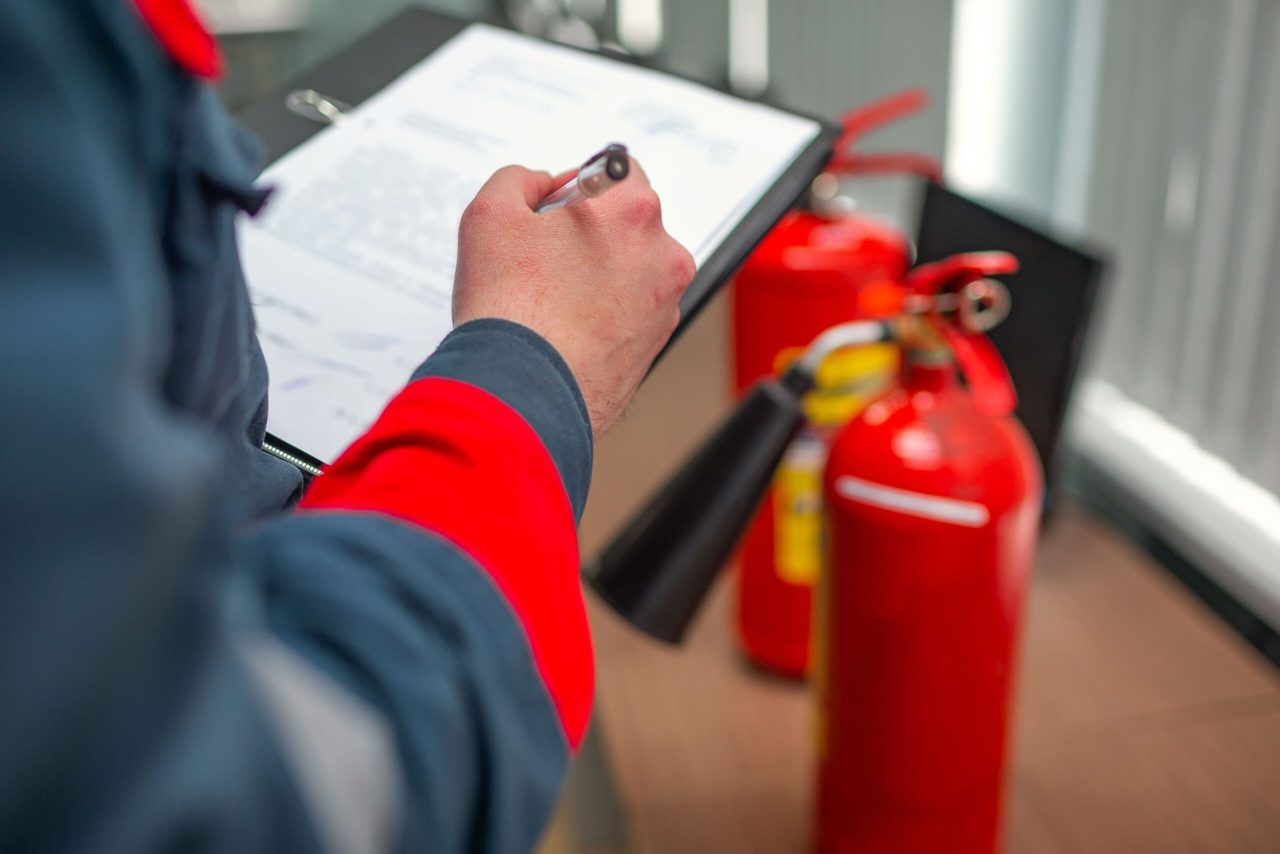
5. Plan for maintenance and inspections
Fire safety does not end when a building is completed. Regular inspections, system maintenance and up-to-date documentation help ensure that the performance requirements defined during the design phase are maintained over time.