


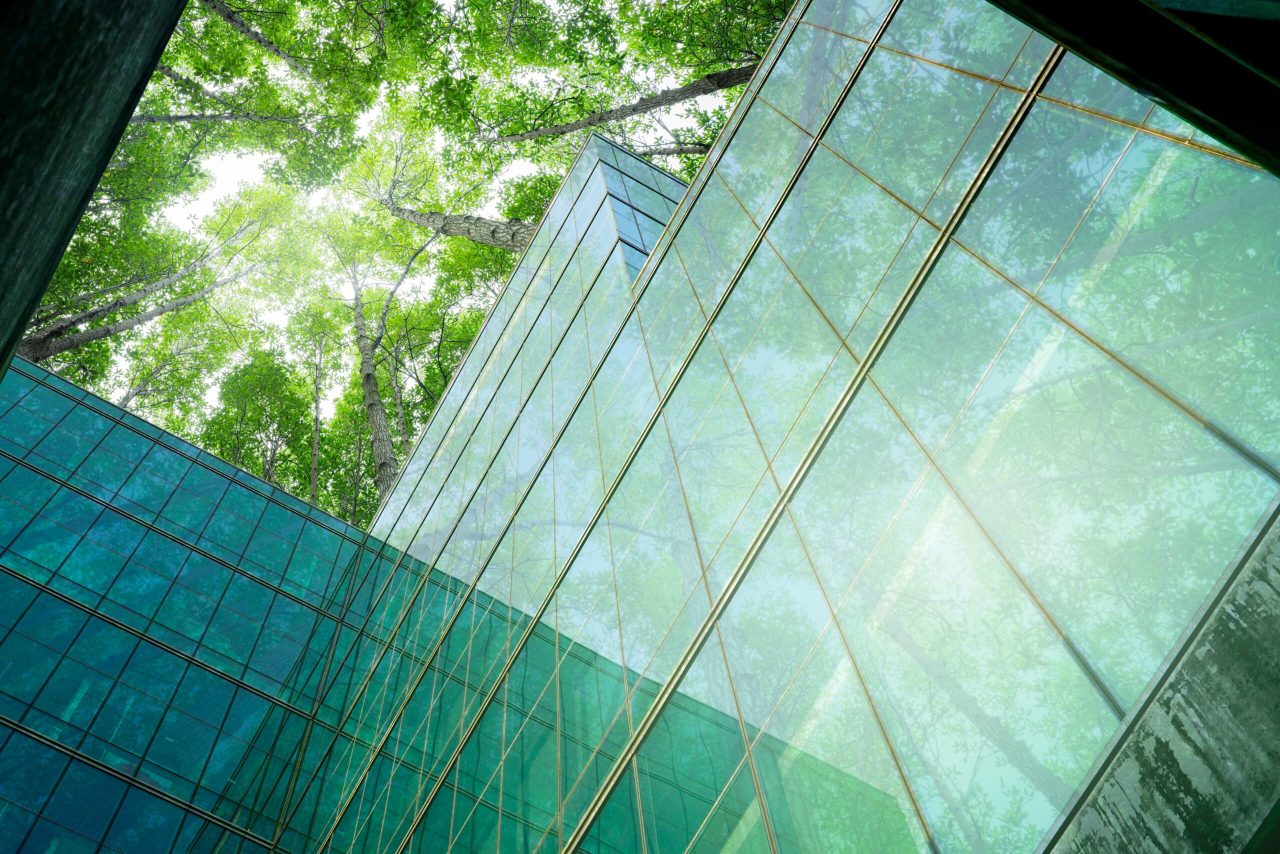
A nearly zero-emission building is not the result of a single technology, but of an integrated design process.
When we talk about Net Zero buildings, the first things that come to mind are photovoltaic panels and heat pumps. In reality, these technologies represent only part of the overall picture. A building can truly be defined as Net Zero only when its energy demand has been reduced to a minimum through an integrated design approach that brings together the building envelope, systems, orientation and intelligent energy management.
The Design Process Starts Before the Building Systems
According to the International Energy Agency (IEA), the buildings sector accounts for approximately 30% of global energy consumption and more than 26% of energy-related CO₂ emissions. This is why the first design priority is always to reduce energy demand.
Building orientation, envelope insulation, solar radiation control, thermal bridge elimination and high-performance windows all help minimise energy requirements before the building systems are even selected.
Every Component Contributes to the Result
Only once the building envelope has been optimised do building services technologies come into play: high-efficiency heat pumps, mechanical ventilation with heat recovery, Building Automation Systems and renewable energy generation.
No single element is sufficient on its own to achieve the goal. It is the interaction between all these systems that determines the building’s overall performance.
The evolution of European legislation is moving in the same direction. The revised Energy Performance of Buildings Directive (EPBD) aims to accelerate the adoption of nearly zero-emission buildings, promoting a design approach increasingly focused on energy efficiency, digitalisation and the integration of renewable energy sources.
Designing a Net Zero building means changing perspective: rather than adding technologies to reduce consumption, the goal is to design a building from the outset that requires as little energy as possible.