


How to choose it and protect it from water
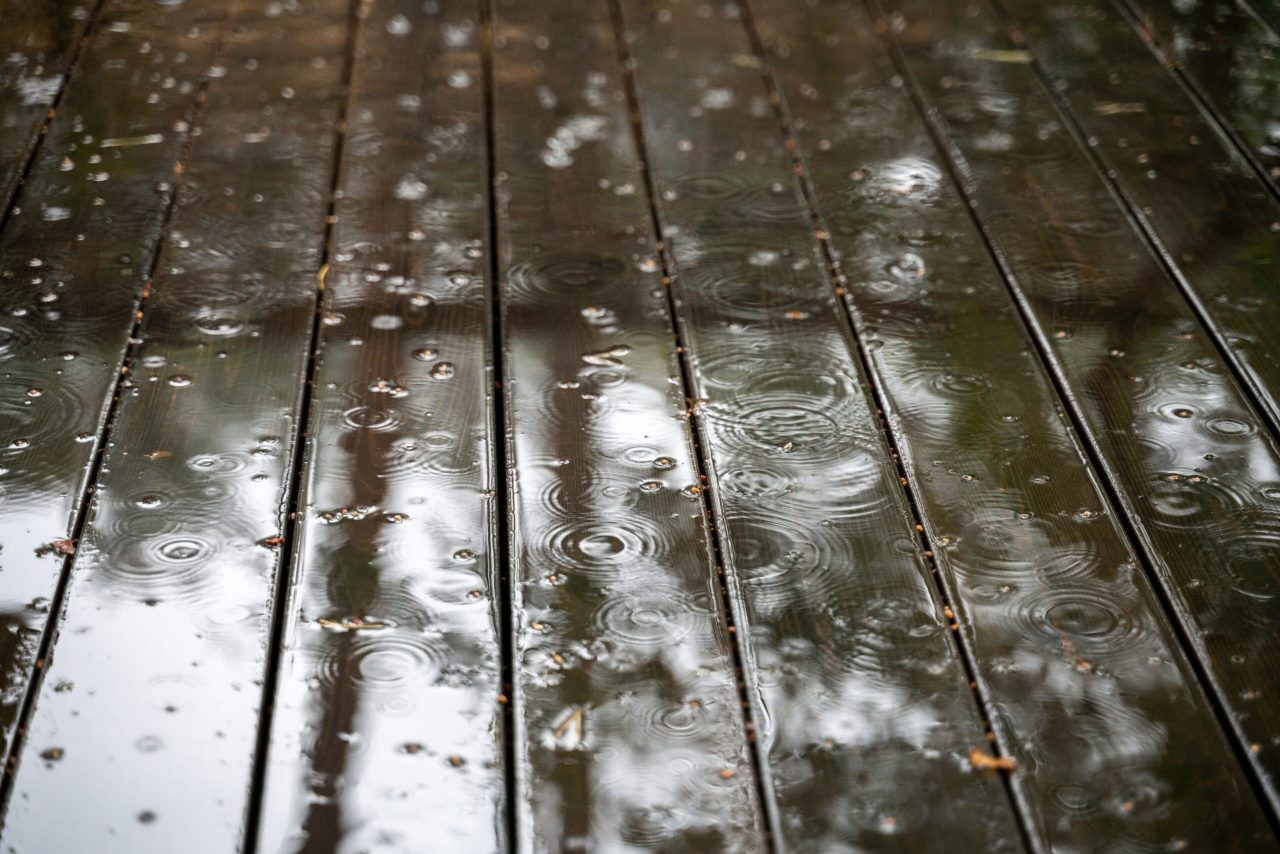
Wood is one of the oldest and most versatile materials used by humans, capable of becoming either delicate furniture or large structural elements. But when it “lives” outdoors, exposed to rain, dew, and humidity, not all types of wood behave the same way. Some resist well, while others are prone to swelling, warping, or staining. This is because not all woods are naturally waterproof.
Noce, cherry, beech, maple, and birch tend to suffer from moisture and are therefore not suitable for outdoor use or flooring exposed to rain and climate variations.
Woods that withstand water
Some wood species, however, show great resilience:
- Oak: hard and stable, perfect for flooring, window frames, and outdoor furniture. It handles humidity and temperature swings well;
- Chestnut: moderately hard and resistant, it maintains shape and color even under rain;
- Larch: softer but naturally water-resistant, ideal for cladding and furniture;
- Cypress: valuable and water-resistant, with long-term durability;
- Scots pine and Nordic spruce: softwoods, easy to work with, but still strong and versatile for outdoor use;
- Douglas fir: moderately hard and resinous, offering natural protection against moisture;
- Brazilian teak: hard and water-repellent, famous for its resistance to water;
- Iroko: stable exotic wood, ideal for outdoor flooring and furniture exposed to weather conditions.
Why water is wood’s enemy
Water can penetrate the fibers, causing swelling, cracks, or deformation.
It can stain and discolor the surface, and also encourage mold and fungi. These not only damage aesthetics but can also become a health issue, especially for people with allergies.
For this reason, it is important to protect wood with oils, paints, and sealants.
- Natural oils (such as tung or boiled linseed oil) penetrate the fibers, creating an internal moisture barrier and enhancing natural color.
- Waterproof paints create an external protective layer while preserving the beauty of the wood.
- Sealants fill pores and micro-cracks, ideal for wood constantly exposed to water, such as docks or poolside furniture.
Regular cleaning with a damp cloth and mild detergents helps prevent dirt and moisture buildup. Oils and paints must be reapplied periodically: oils every 6–12 months, paints every few years depending on exposure. Even the best wood does not last long if neglected.
Woods to avoid in humid environments
Untreated softwoods such as pine, beech, or spruce tend to deform quickly. Laminated woods, although cheap, easily absorb moisture between layers and may swell. In outdoor or high-humidity conditions, it is better to choose naturally resistant species and combine them with protective treatments.
With the right combination of materials, treatments, and maintenance, wood can withstand the elements and remain beautiful for years, bringing warmth and style to gardens, terraces, and balconies.