




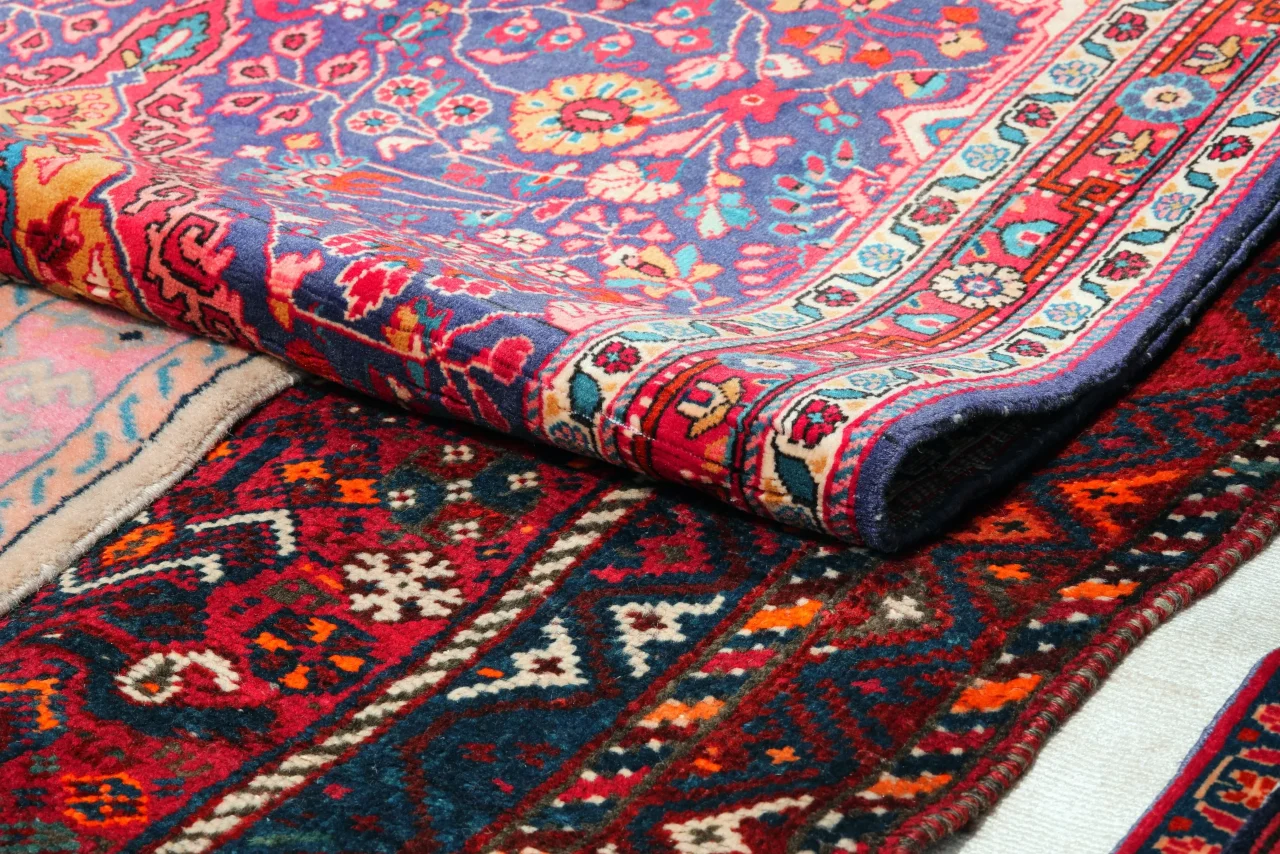
Innovative materials and market insights are shaping the future of interior textiles.
The interior textiles industry is undergoing a profound transformation, driven by two key forces: technological innovation and sustainability. Carpets, rugs, and textile floor coverings are no longer simply decorative elements but active components of living and working spaces, capable of enhancing comfort, acoustics, and indoor air quality.
According to recent market analyses, the global carpet and textile flooring market has surpassed USD 90 billion and is expected to maintain steady growth over the coming years, particularly across Europe and Asia. Demand for modular and recyclable solutions continues to rise, reflecting the principles of the circular economy and an increasing focus on product life cycle and environmental responsibility.
Smart materials and enhanced performance
From a technological perspective, materials are evolving rapidly. Recycled fibres, regenerated yarns, and innovative treatments now make it possible to create surfaces that are durable, easy to maintain, and increasingly high-performing. Some products are specifically engineered to reduce the accumulation of fine dust particles or improve acoustic insulation, meeting the needs of contemporary residential, commercial, and public environments.
Another significant trend is customisation. Thanks to digital technologies, manufacturers can create bespoke patterns, adapting colours, textures, and dimensions to meet specific design requirements. This provides architects and interior designers with greater creative freedom, enabling textiles to become an integral part of the design process rather than simply a finishing touch.
In this evolving landscape, interior textiles continue to demonstrate their ability to combine aesthetics with performance, manufacturing expertise with industrial innovation. This transformation reflects a broader shift in the way spaces are conceived—placing greater emphasis on wellbeing, flexibility, and sustainability.