


A new awareness is shaping professional cleaning activities: a deep respect for the environment. In a world where attention to our surroundings is increasingly high, the cleaning sector has begun an adaptation process.
It is undergoing a major transformation through the adoption of green measures aimed at reducing environmental impact while also positively affecting the health of living beings.
But there is more. Eco-friendly cleaning services are a distinctive feature: they can act as a growth driver for both service providers and clients. Choosing sustainable practices significantly improves corporate brand image and overall perception among customers, suppliers, and internal staff.
Sustainability: key measures
Achieving sustainability in professional cleaning is feasible. The main areas of action include:
- Use of eco-friendly and biodegradable detergents instead of chemical products.
- Application of methods that reduce waste and environmental impact, such as steam cleaning.
- Use of energy-efficient equipment with high energy ratings.
- Use of renewable energy sources to power equipment.
- Implementation of recycling policies for raw material recovery.
- Continuous training of workers to promote sustainable practices.
- Use of advanced technologies such as artificial intelligence and robotics to optimize consumption and calculate exact cleaning cycles based on surface area.
When the world changes, cleaning changes too
The criteria for selecting a professional cleaning company have changed. Providers must not only deliver precise and high-quality services but also demonstrate their ability to integrate innovative and sustainable solutions.
Innovation and the adoption of eco-friendly products and sustainable operational methods are now decisive factors.
The EU Ecolabel
The difference between high- and low-impact cleaning mainly lies in the products used.
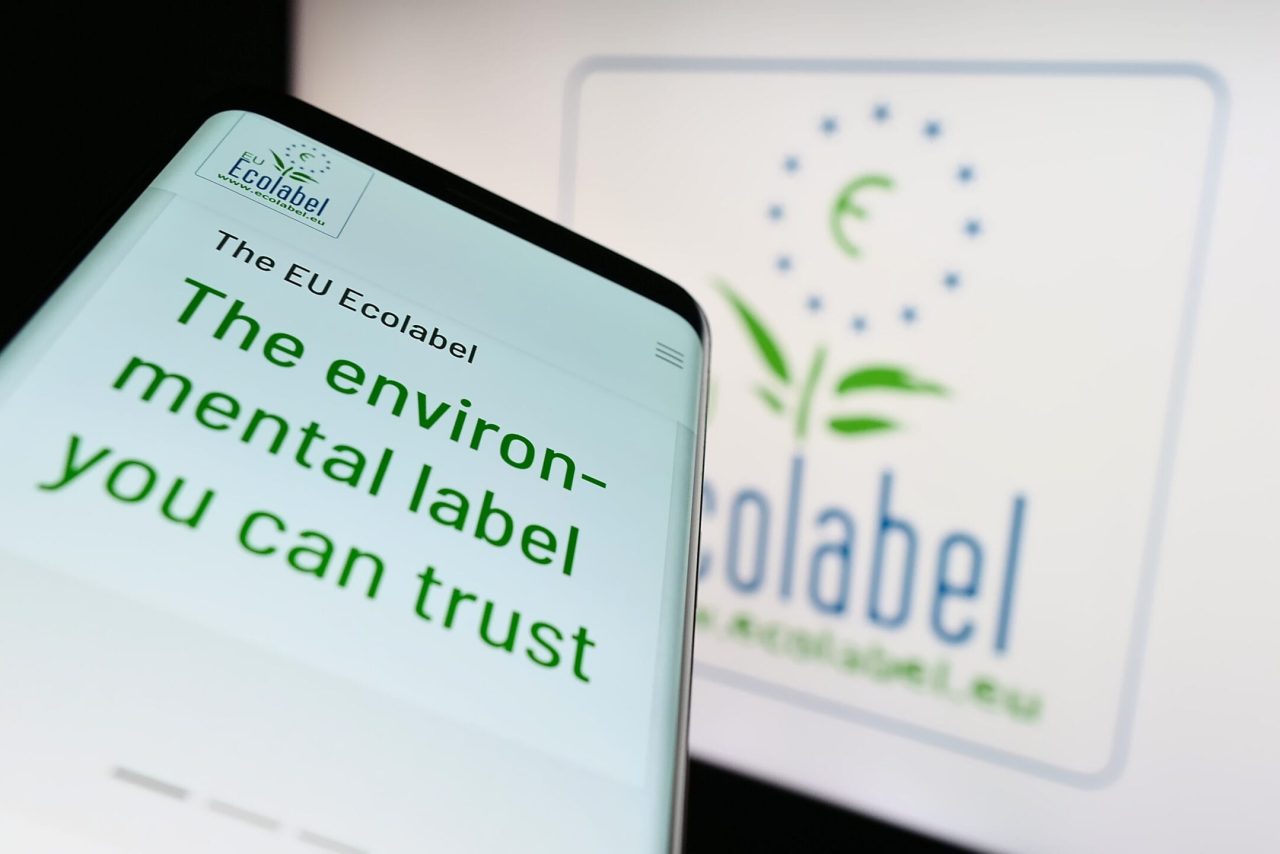
Several recognized European and international certifications identify sustainable products, with the EU Ecolabel being one of the most important.
This eco-label distinguishes products and services that meet high performance standards while reducing environmental impact throughout their life cycle.
Established in 1992, it is awarded only to products and services that comply with strict environmental and performance criteria.
These products help reduce waste and pollution, lower water and energy consumption, and minimize or eliminate hazardous chemical substances.
There are currently around 12,000 EU Ecolabel products on the Italian market. They are widely available and affordably priced.
Certified product and service lists in Italy can be found on the ISPRA (Italian Institute for Environmental Protection and Research) website.
Economic operators, including cleaning companies, can distinguish themselves by obtaining the EU Ecolabel.
This increases visibility and competitiveness at both national and international level, often with public incentives or benefits.
Steam cleaning
Steam cleaning is increasingly replacing traditional methods because it reduces environmental impact while delivering excellent results.
Using only water and high temperatures, it allows deep sanitation by removing dirt, germs, and bacteria while significantly reducing water consumption.
In addition, the use of chemicals and packaging is reduced, lowering overall environmental impact.
Sustainability: a win for everyone
Commitment to sustainability meets present and future needs. Eco-friendly cleaning benefits everyone: the environment is protected, workers are more engaged, and companies improve their image.

