


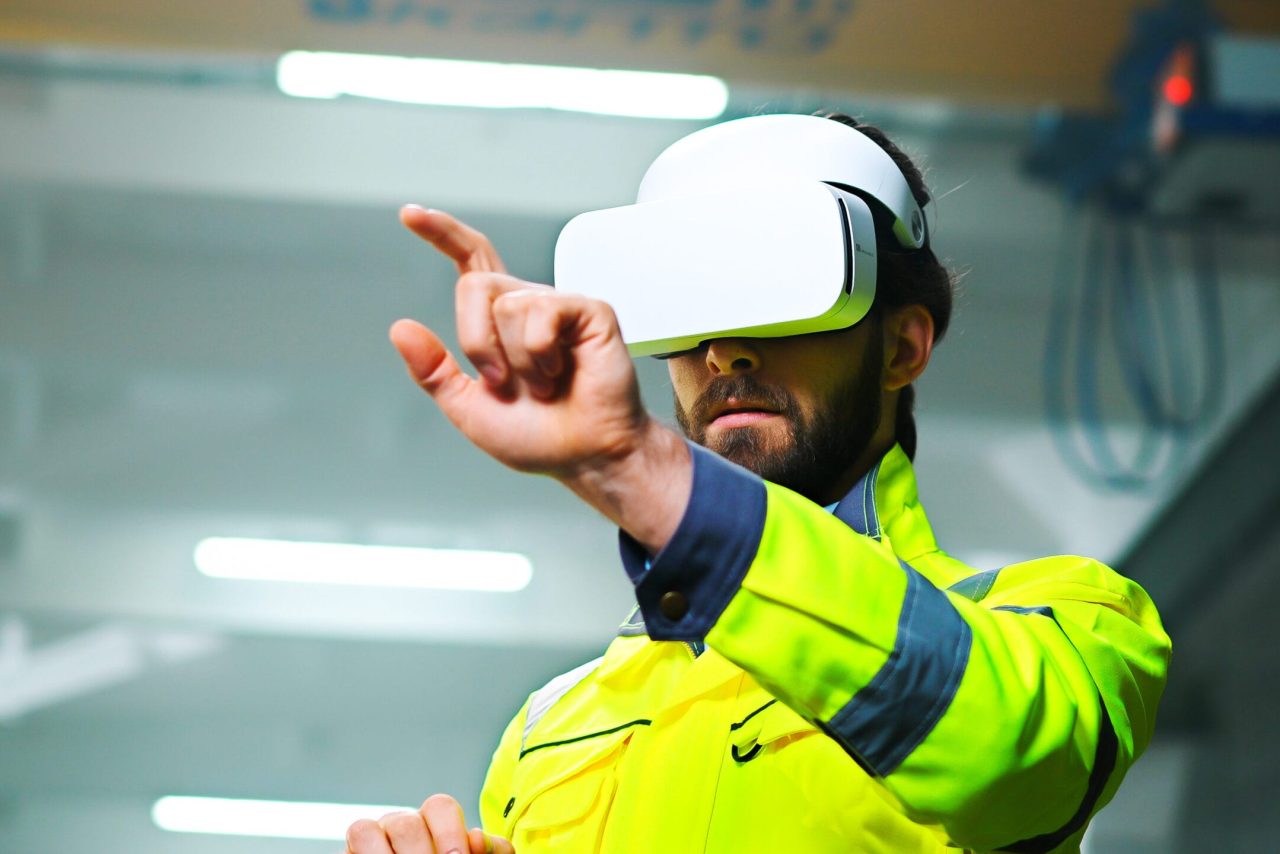
Gamification makes technical training and safety more effective and engaging: AR/VR simulations, mission-based pathways, real-time feedback and badges transform learning and procedures into immersive experiences. With proper governance, KPIs and data protection, it becomes a strategic tool for skills and safety
In everyday life, gaming elements are increasingly present. Devices have become the main touchpoint to a digital universe designed to capture attention and reinforce behaviours through rewards. The same mechanisms, when used wisely, can encourage more virtuous choices — without forcing them. Just think of systems that reward more sustainable routes or healthier lifestyles.
These principles derive from the approach described in “Nudge” by Richard H. Thaler and Cass R. Sunstein, according to which indirect incentives and suggestions can influence decisions and behaviours as effectively as rules or direct instructions. This is why apps that reward walking, dieting or achieving personal goals are increasingly widespread.
In companies, the growing complexity of industrial processes and the constant need for upskilling make technical training and safety programs even more central. In this context, gamification is emerging as one of the most effective tools to increase worker engagement and improve learning outcomes. It is not about “playing games” at work, but about strategically using mechanics such as points, levels, missions and instant feedback to make content and procedures more intuitive, motivating and memorable.
In technical training, gamified pathways allow workers to learn new procedures in an immersive way. Digital simulations, often based on AR or VR, turn training on complex machinery and systems into a safe and controlled environment. Mistakes become learning opportunities: they are detected, assessed and corrected through scoring systems that guide users toward the correct procedure. The result is higher content retention and reduced time needed to reach full operational readiness.
Workplace safety also benefits from this approach. Interactive quizzes, daily missions and badges linked to virtuous behaviours help maintain attention, especially in repetitive environments where routine can become a risk factor. Digital platforms turn protocols into progressive pathways, where workers “unlock” content and reach higher levels as they acquire skills. The effects are tangible: greater participation in audits, improved risk awareness, and a reduction in incidents and near misses.
However, for gamification to be truly effective, it must be properly governed. Clear metrics are needed — time to proficiency, execution quality, reduction in incidents — as well as rules that prevent distorted incentives, such as rewarding speed over safety. Data management also requires careful attention to ensure privacy and transparency.
The real value emerges when these tools become part of corporate culture. Continuous feedback, clear goals and recognition systems — even symbolic ones — foster intrinsic motivation that translates into overall performance improvements. It is essential to avoid excessive competition, favouring cooperative dynamics that strengthen teams and reduce stress.
In the era of Industry 4.0, gamification is not just an engagement tool, but an accelerator of skills capable of making workers safer, more prepared and more responsive. A strategic investment that combines technology, psychology and continuous learning, with direct impacts on work quality and business competitiveness.