


Beyond 2030 between the metaverse, hybridisation and radical sustainability
Why digital will be essential, but human value will remain irreplaceable
What will a trade fair be in 2035? A digital platform? An augmented reality universe? A hyper-connected 24/7 marketplace?
Or simply a place where people shake hands, look each other in the eye – and say “we’ve known each other for years, but finally we meet”?
What emerges from observing the projects of major international exhibition platforms is that the trade fair sector is experiencing a dual tension: on one side the relentless push towards digital innovation, on the other the timeless need for physical and authentic relationships. The truth? Neither dimension can truly survive without the other.
Always-open, always-connected fairs: are we ready for a “perma-connection”?
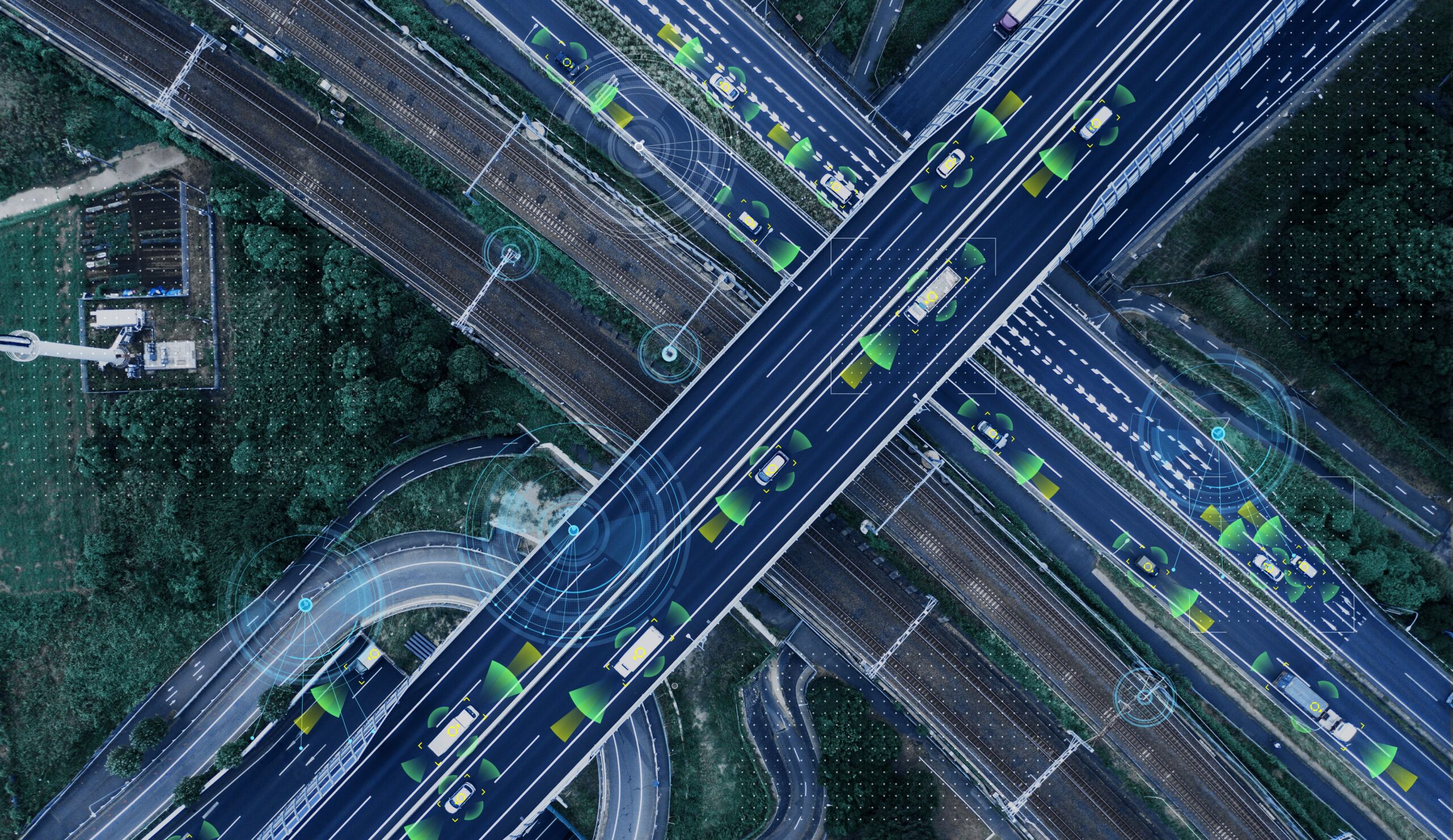
The future of trade fairs will no longer be marked by “annual editions”, but by a continuous flow of interactions, matchmaking, digital showcases and live content.
The fair of 2035 will be a fluid, integrated, probably hybrid space – but something suggests that an “always-on” fair alone will not deliver greater value.
The real challenge? Designing platforms capable of sparking meaningful connections, not just algorithmic “matching”. Because if technology does not improve the quality of relationships, it risks turning the fair into an e-commerce platform disguised as an event.
Metaverse, avatars, 3D interactions: the risk of the simulacrum fair
The metaverse applied to trade fairs appears as a magical gateway to a new era of immersive interactions, engaging demos and borderless marketplaces.
Beautiful, in theory. But the risk is creating digital events that are as perfect as they are sterile, where everything works but nothing surprises.
Because a trade fair, at its core, is an emotion machine: it vibrates with creative energy, with the wonder of installations, direct exchanges, and background noise that becomes lateral thinking. Bringing all this into the digital realm is not impossible.
But it requires future designers with human and cultural sensitivity – not just data engineers.
Radical sustainability: not just a label but a cultural commitment
For years, trade fairs have declared environmental commitments: green halls, recyclable materials, digital tickets.
But now much more is needed. The exhibition industry of the future must be ethical, regenerative and transparent. It is not enough to reduce emissions: value must be returned to territories, fairs must become generators of smart urban policies, fostering both local and international communities.
It is time to move from sustainability as a technical practice to sustainability as a culture, involving exhibitors, organisers and visitors. Because the impact of an event is not only the CO₂ saved, but also the sense of belonging it creates.
“Trade fairs have never lost their meaning. It is the world that moves faster around them.”
Fairs are dialogue, doubt, and contrast: those who think the future must also listen to it
The year 2035 will not be the year exhibition halls disappear. Nor the year everything goes remote. It will rather be a time when we return to designing with communities, not just for markets. Fairs will perhaps be less static and more lightweight, less monolithic and more distributed, less show and more thoughtful content.
The real question of the future is not whether we will create different fairs. But whether we will have the courage to make them capable of changing the worlds in which they operate.