Between matter, comfort and versatility: how fabric is becoming a key element of interior architecture again
After years dominated by solid colours, boiserie and “wow-effect” wallpaper, the world of interior design is rediscovering an ancient, elegant and surprisingly contemporary solution: fabric wall coverings. Far from the austere or formal atmospheres of traditional interiors, today wall textiles are returning as a refined and versatile choice, capable of combining aesthetics, technical performance and expressive freedom.
Not just decoration: a new material language
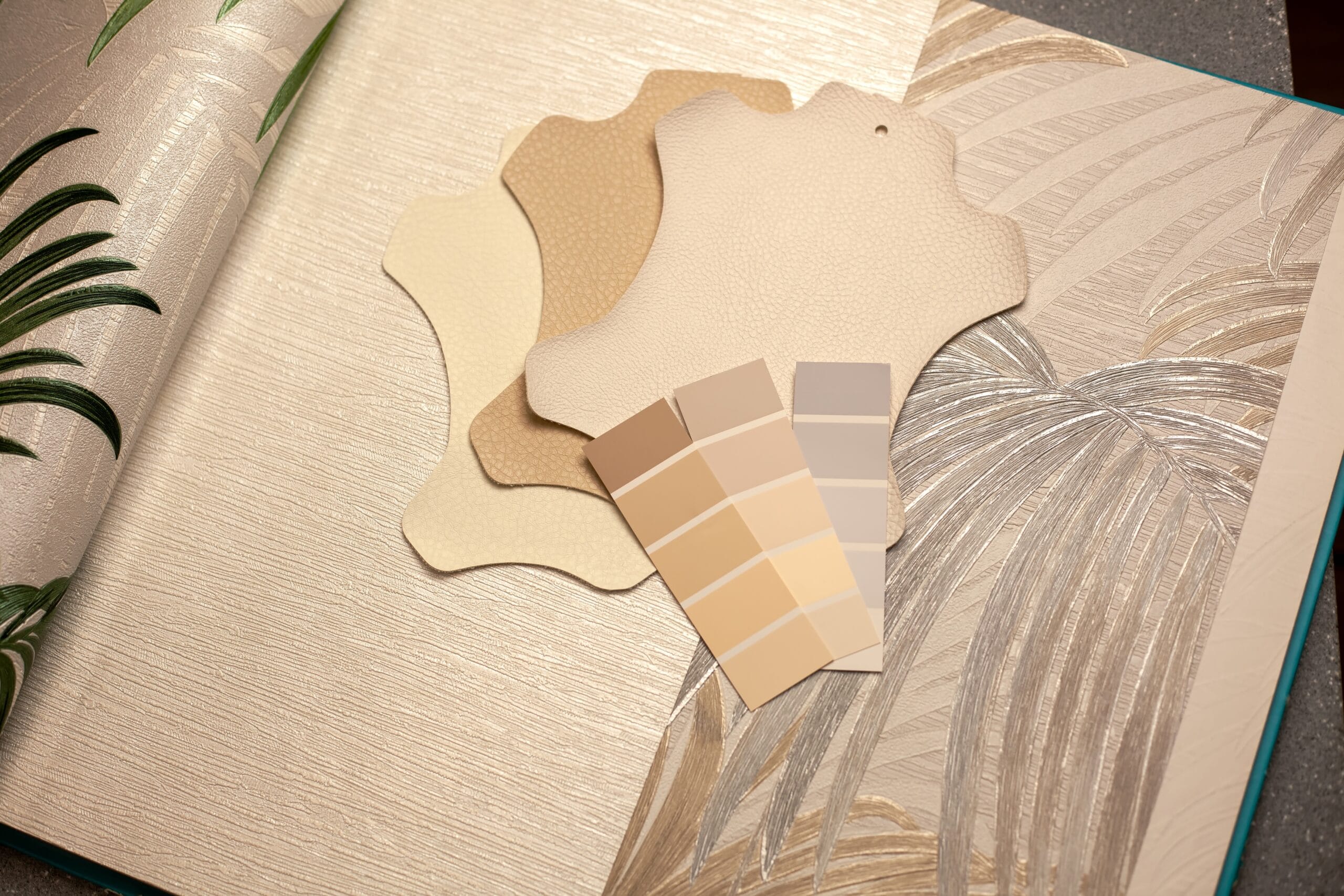
From silk to linen, and up to next-generation technical fabrics, wall textiles offer a fully sensory approach to living: visual softness, tactile textures, chromatic depth.
Unlike paint and thin wallpaper, fabric gives walls a sense of three-dimensionality and visual impact.
Options range from naturally irregular weaves, perfect for wabi-sabi contexts, to completely smooth technical surfaces with a contemporary feel.
The result?
An interior architecture that interacts with light and space, becoming more intimate and sophisticated.
Performance that improves living spaces
Beyond aesthetics, wall textiles offer tangible benefits:
- Acoustic comfort: many solutions are designed to absorb sound and echoes, improving listening quality in both public and private environments.
- Thermal comfort: technical or padded materials act as a natural barrier against temperature fluctuations, supporting energy efficiency.
- Durability and long-term performance: with proper installation and maintenance, these surfaces are resistant and stable, without risks of cracking or rapid fading.
These qualities make them ideal not only for high-end residential projects, but also for hotels, theatres, conference rooms, and showrooms where spatial experience is part of the design itself.
Installation and maintenance: surprisingly practical
Contrary to what one might think, fabric wall coverings are not necessarily difficult to manage. Modern solutions are often modular, inspectable and easily removable, allowing quick interventions in case of wear or redesign.
However, highly skilled professionals are essential to achieve flawless results, especially when the fabric must be stretched or combined with technical supports.
Where and how to use them: ideas for every space
- Living area: a single fabric-covered wall can become a scenic backdrop that defines the entire room’s style.
- Suites or bedrooms: padded fabric can replace the headboard, extending up to the ceiling for an enveloping effect.
- Executive or meeting spaces: sound-absorbing fabrics in neutral tones reduce visual distraction and improve concentration.
- Public venues: bars, bistros and restaurants often choose decorative textures to create a warmer, distinctive atmosphere while reducing background noise.
An ancient material projected into the future
The growing demand for customised, sustainable and multifunctional solutions has brought wall textiles back into the spotlight of contemporary interior design.
The use of recycled yarns, compostable natural materials, and stain-resistant or antibacterial treatments is helping reposition this technology as an ideal ally for projects focused on comfort, aesthetics and environmental responsibility.
If you love design, care about detail, are excited by innovation and follow contemporary living trends, then DOMOTEX is the fair that speaks your language.