

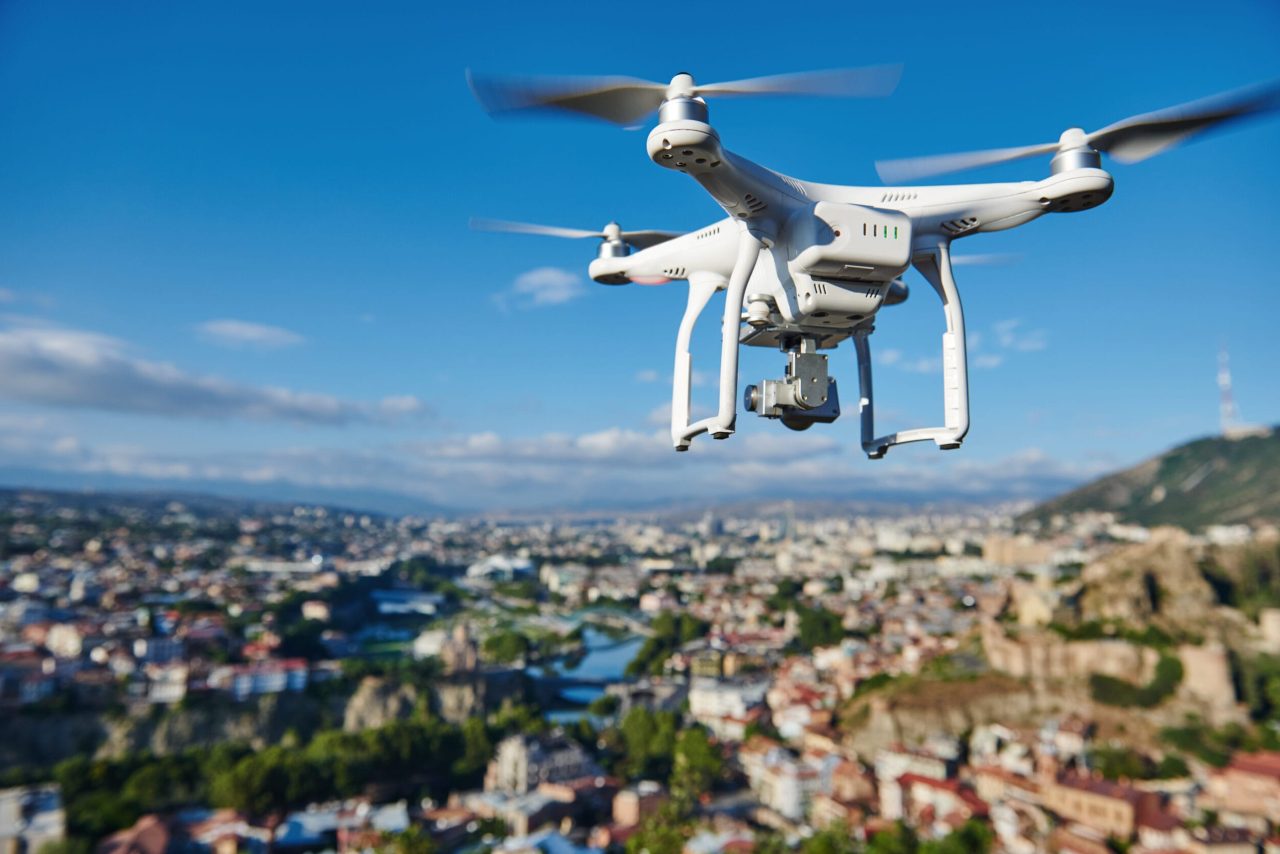
In recent months, drones have taken on an increasingly central role in modern conflicts, evolving from surveillance tools into real weapon systems capable of striking strategic infrastructure.
Recent attacks have caused fires and disruptions in energy production, reaffirming how quickly these aircraft can affect civilian security and economic flows.
On the operational front, recent war scenarios show the evolution of tactics: no longer just remotely launched aerial drones, but also “land drones” and autonomous systems used for reconnaissance, logistics, and sometimes targeted strikes that reduce soldiers’ exposure. This shift raises new defence challenges and opens a political and ethical debate on the use of autonomous systems in warfare.
Enemy or ally?
Yet the same technological progress that has turned drones into a weapon of war also makes them powerful allies in civilian contexts. Humanitarian agencies and non-profit organisations use them to map disaster-stricken areas, assess damage, reconstruct scenarios and deliver aid where ground routes are blocked, resulting in faster response times and more accurate information for relief efforts.
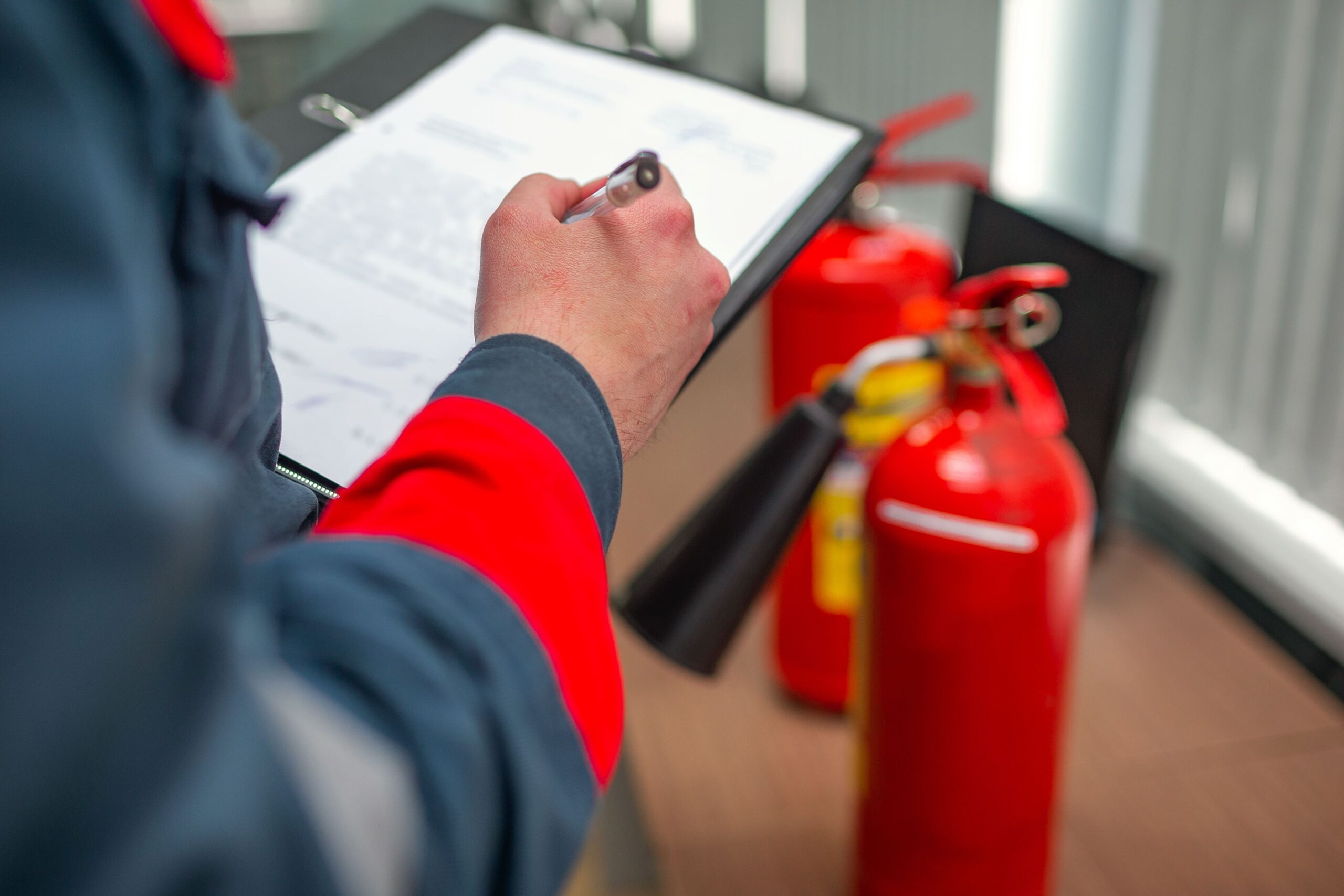
In firefighting and emergency response, drones provide thermal reconnaissance, identify hotspots and allow safer interventions, reducing risks for firefighters and accelerating on-field decisions.
Some companies and fire departments are already testing systems capable of delivering small essential payloads or acting as communication bridges in isolated areas.
In healthcare and emergency logistics, the benefits are also tangible: drones delivering defibrillators, antidotes or first-aid kits can reduce response times in rural areas or heavy traffic conditions, with potentially positive impacts on clinical outcomes.
Pilot projects and experimental studies confirm that, in some contexts, unmanned aerial vehicles can arrive before ambulances.
Rules first
The regulatory issue remains crucial. The rise of unidentified drone incidents near military bases and civilian infrastructure has pushed states and institutions to strengthen regulations, identification systems and anti-UAV countermeasures. At the same time, the civilian community calls for rules that enable innovation—in food security, emergency response, precision agriculture and environmental protection—without exposing citizens and infrastructure to unacceptable risks.
The practical and political challenge is therefore twofold: to contain and prevent the military and illicit use of drones by developing effective countermeasures and international regulations, while also enhancing applications that improve everyday life and save lives.
Within this balance lies the future of a technology that is both a source of concern and a concrete opportunity for the common good.
Talking about “drones” today is like looking into a mirror: they reflect the risks of present-day conflicts but also the innovative potential that can transform emergency management, healthcare, agriculture and environmental protection.
The stakes are not only technical, but ethical and political: governing the skies to protect life on the ground.