




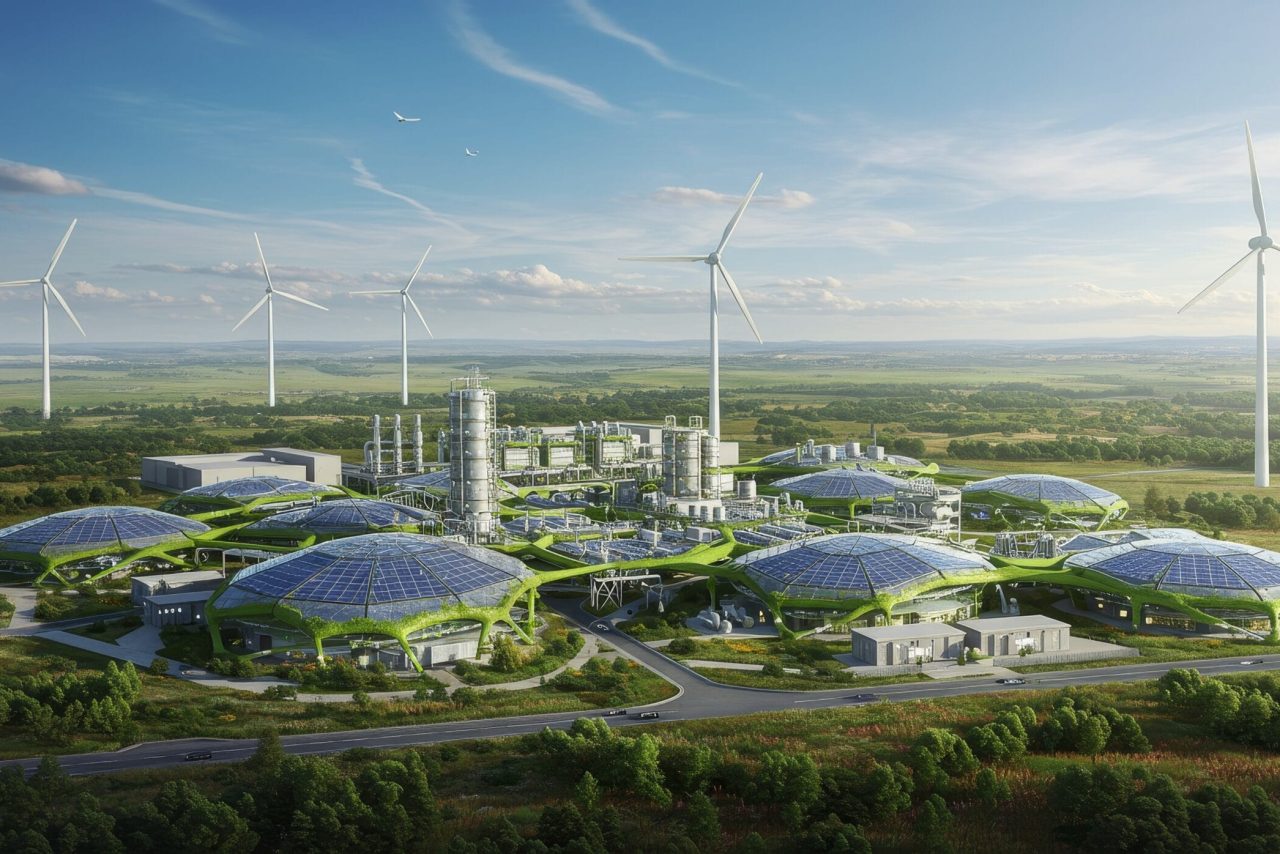
A new approach is emerging in manufacturing processes: sustainability. This innovative approach, known as green manufacturing (or sustainable manufacturing or green production), refers to the set of actions and strategies that enable companies to achieve sustainable production.
The goal is to optimize resource use, use recycled materials, minimize waste, and reduce waste generation during production—ultimately preserving the planet.
In addition, green manufacturing can provide economic benefits and improve the brand image of companies that adopt it.
This approach is a direct response to consumer demands and increasingly strict environmental regulations.
The manufacturing sector and its green transition
The manufacturing sector transforms raw materials into finished goods through industrial processes. It includes industries such as automotive, textiles, machinery, food, chemical, pharmaceutical, electronics, and furniture production.
These activities are responsible for greenhouse gas emissions and the consumption of natural resources.
As a form of compensation and to improve their market image, more companies are adopting industrial sustainability strategies aimed at reducing environmental impact.
In the medium and long term, this approach can also increase efficiency and reduce operational costs.
Green Manufacturing: key characteristics of sustainable production
Sustainable production can be achieved through several complementary approaches.
- Energy efficiency through modern technologies and renewable energy sources (wind turbines, solar panels, photovoltaics, smart LED lighting).
- Pollution reduction through optimized processes and advanced filtration systems to minimize emissions and CO₂.
- Use of green technologies such as autonomous mobile robots (AMRs) to optimize processes and reduce energy consumption.
- Use of sustainable materials, including recyclable and biodegradable raw materials.
- Proper waste management through reduction, reuse, and recycling.
Benefits of green manufacturing
Green manufacturing provides not only environmental benefits but also tangible business advantages.
- Higher productivity, increased competitiveness, and greater profitability.
- Lower costs due to reduced energy consumption and waste management expenses.
- Regulatory compliance with reduced administrative burden.
- Improved reputation and stronger trust from customers, suppliers, and employees.
Running a business today also means taking care of tomorrow’s world: green manufacturing is the starting point.

