


When your best friend becomes… technological
They don’t bark, they don’t bite, and they won’t give you puppy-dog eyes, but they can be your most loyal allies at work.
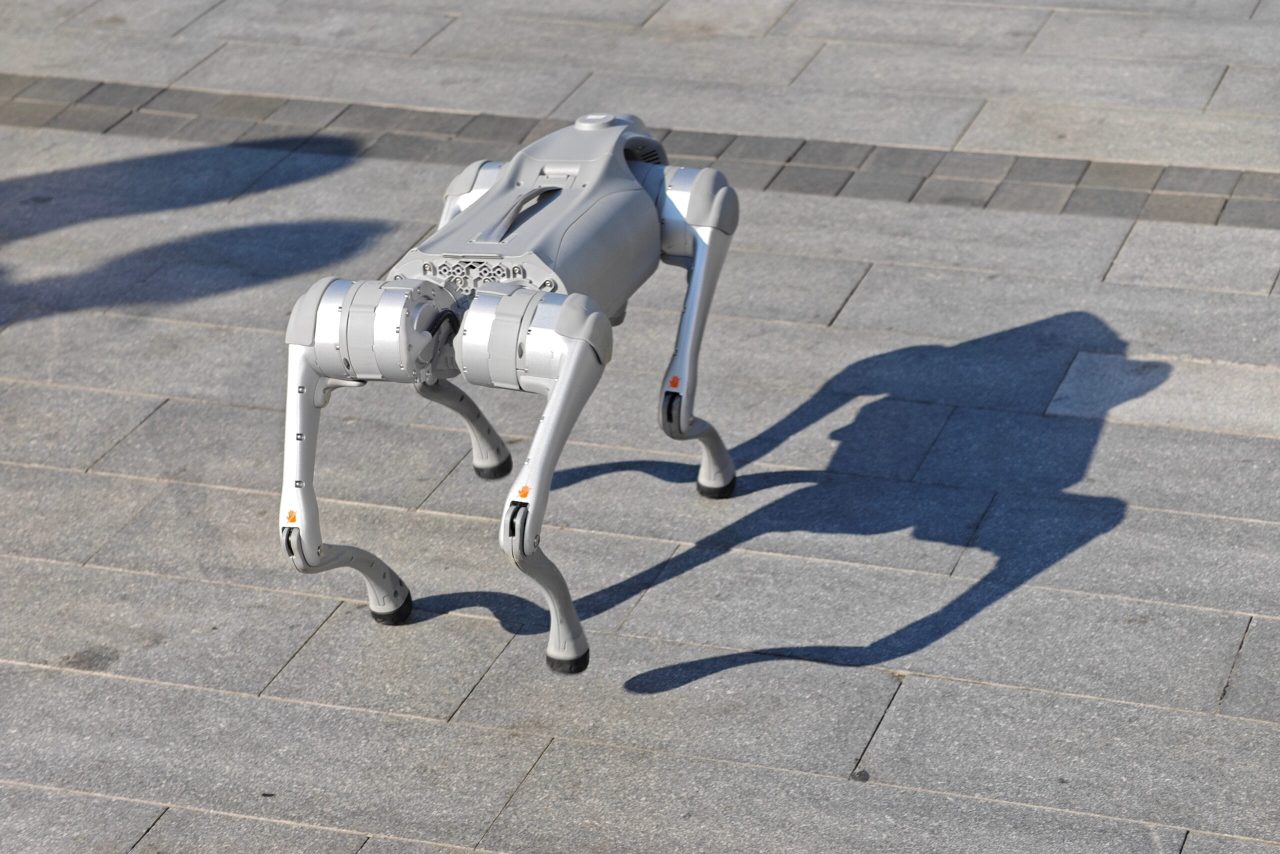
We’re talking about robot dogs—quadruped machines designed to move like real dogs, but with far more “tech” missions: assisting, monitoring, delivering, and even saving lives.
These robots are equipped with a remarkable combination of artificial intelligence, advanced sensors, and mechanical engineering, allowing them to perceive their environment, interact with it, and handle complex tasks.
Some models closely mimic the appearance and movements of real dogs, while others feature more streamlined designs optimized for agility and endurance.
From rescue to surveillance
But what can they actually do?
The list is long and surprising: from logistics—autonomous deliveries, parcel tracking, load management—to building surveillance, construction sites, and sensitive areas; from inspection of energy networks and utilities to safety in mines, tunnels, and hazardous environments; all the way to rescue operations, where they can enter difficult or contaminated spaces without putting human operators at risk.
Thanks to their sensors, robot dogs can detect sounds, movements, toxic gases, abnormal temperatures, and even traces of life.
With mechanical arms, panoramic cameras, and communication modules, they become truly “omnivorous” collaborators: able to operate autonomously, make environment-based decisions, and coordinate with human teams.
The best part is that they don’t need kibble or walks, yet they can seamlessly integrate into human teams, adapting to complex terrains such as rubble, gravel, grass, or snowy environments, and withstand extreme weather conditions.
They don’t move in packs, but they can cooperate with each other, forming an intelligent, precise, and tireless support network.
In the end, robot dogs remind us that technology doesn’t have to be cold or distant: it can be reliable, versatile, and even… a little friendly.
They don’t bark, of course, but they can do everything a loyal work companion should do: protect, assist, explore, and, why not, surprise.