

The road to hydrogen is paved with international cooperation
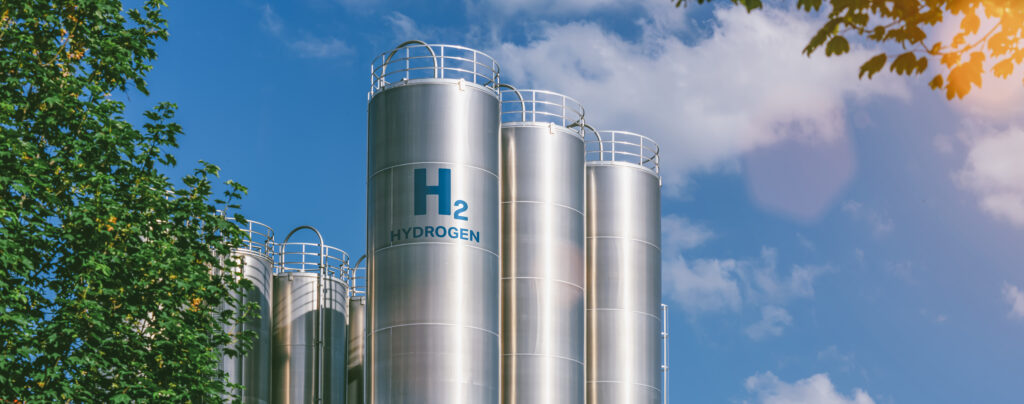
Hype Rimini: the success of the Southern Hydrogen Corridor depends on market integration and the specialization of Italian and German manufacturingFor Europe’s energy transition to succeed and focus on hydrogen, it must build a system of cooperation between countries. This was the message that emerged from the German-Italian Energy Talk held in Rimini, dedicated to the prospects of hydrogen as a vector for decarbonization and energy security. The energy transition as an industrial strategy In his speech, Fabrizio Penna, Head of the NRRP Mission Unit at the Ministry of the Environment and Energy Security, emphasized that Europe is at a decisive moment: the energy transition is not only a climate goal, but a true industrial strategy. In Italy, the NRRP allocates almost €3 billion in investments for hydrogen and more than 50 Hydrogen Valleys, funded with around €600 million, with the aim of connecting renewable energy production to the most energy-intensive industrial hubs. However, the European dimension is fundamental for market development: only a continental scale can ensure adequate infrastructure, common standards, and the conditions needed to attract private investment. In this context, cooperation between Italy and Germany appears strategic: Italy can offer manufacturing flexibility and a key infrastructural position in the Mediterranean, while Germany is one of Europe’s main industrial and technological hubs. From North Africa to Germany through Italy From the German side, Patricia Schikora of the Federal Ministry for Economic Affairs highlighted that hydrogen demand in Germany could reach between 150 and 650 TWh by 2045. To meet this demand, imports will need to play a significant role, with an estimated share of between 26% and 92%, equal to 25–418 TWh of imported hydrogen. In this scenario, the Southern Hydrogen Corridor takes on a central role: an infrastructure network of around 4,000 kilometers that will connect North Africa to Central Europe through Italy. The project, which largely aims to reuse existing gas infrastructure, could transport up to 126 TWh of hydrogen per year, equal to around 3.8 million tonnes. At the global level, investment in the sector continues to grow, and clean hydrogen projects now exceed 500 initiatives, with Europe leading in the number of projects expected to be ready by 2030. However, challenges remain in terms of production costs, industrial demand, and the speed of permitting procedures. For this reason, collaboration between industry, institutions, and the financial system will be decisive in transforming hydrogen from a technological promise into a pillar of the European energy system.
Quadruped robots in industry: the future of inspections.
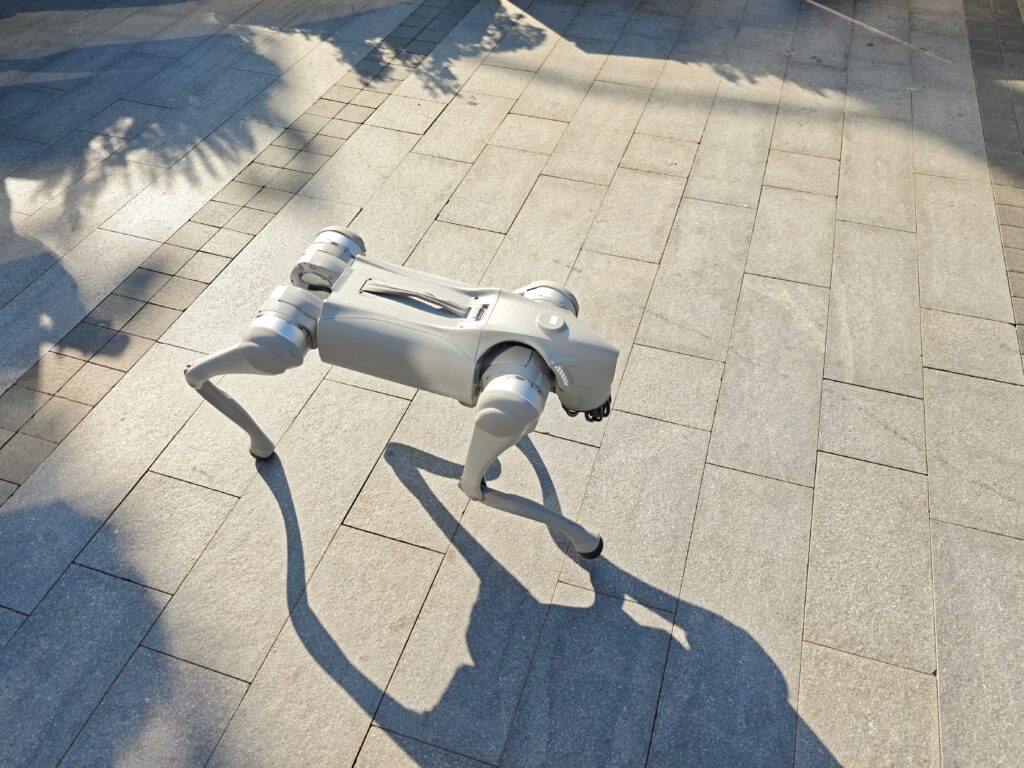
Quadruped robots and AI are revolutionizing industrial inspection, safety, and maintenance. In 2026, quadruped robots are becoming an increasingly tangible presence in industrial environments. Designed to move autonomously among machinery, stairs, and complex settings, these robotic systems are set to play a growing role in inspection and monitoring activities. Equipped with 3D LiDAR sensors, high-definition cameras, and artificial intelligence algorithms, they can navigate even in low-light conditions or hard-to-reach spaces, collecting data from hundreds of critical points within production plants and energy infrastructure. Data and artificial intelligence for plant monitoring The evolution of these technologies—also showcased at Hannover Messe—confirms a clear objective: transforming operational data—such as temperature, vibrations, acoustic emissions, or leaks—into actionable insights for management and maintenance. According to analyses by the International Federation of Robotics, the global market for professional service robotics is experiencing strong growth, increasingly encompassing industrial applications related to inspection, safety, and maintenance. Autonomous mobile robots, in particular, are gaining ground in environments where human presence is complex or risky, such as chemical plants, power stations, and large-scale manufacturing facilities. Versatility and predictive maintenance in the factories of the future In this context, quadruped robots represent a particularly versatile solution. Thanks to their ability to move across uneven terrain and overcome obstacles, they can access areas where wheeled robots are less effective. The data they collect is transmitted to management systems and analysed through digital platforms, supporting the development of predictive maintenance strategies and the rapid detection of anomalies. For industry, this marks an important step towards smarter and more autonomous facilities. Reducing downtime, compensating for the shortage of skilled technicians, and improving operational safety are becoming increasingly central objectives. In this scenario, quadruped robots could truly become the “best friend” of the factories of the future.
Hydrogen: and yet it moves
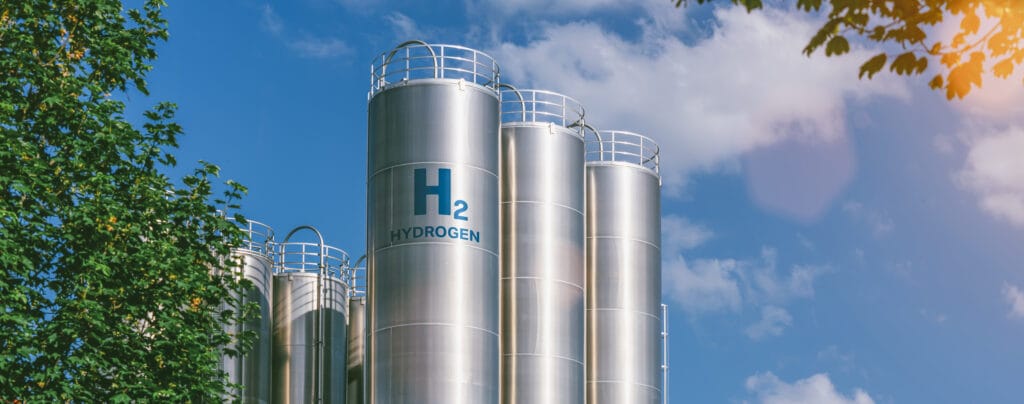
Surprising data and familiar challenges emerge from the 2025 Observatory by Intesa Sanpaolo and H2IT Italy’s hydrogen value chain is entering a phase of industrial consolidation. This is the key finding of the 2025 Hydrogen Observatory in Italy, produced by the Research Department of Intesa Sanpaolo in collaboration with H2IT and the Intesa Sanpaolo Innovation Center. The survey, conducted on 79 companies, portrays a young ecosystem (average sector age: 8 years) that is nevertheless evolving rapidly. Italian companies look abroad 58% of companies already generate revenues from hydrogen-related activities, rising to 66% in manufacturing. 46% of turnover comes from foreign clients, a figure that reaches 60% among manufacturing firms—evidence of strong integration into international markets. On the investment side, for more than half of the companies, resources allocated to hydrogen exceed 10% of total spending, and 85% expect further increases by 2026. More than 90% anticipate revenue growth, while over 70% have projects at an advanced stage, with 25% already under construction. The ecosystem appears technologically advanced: 70% of companies have an in-house Research and Development department, nearly one-third have filed or are about to file patents, and around three-quarters have adopted at least one Industry 4.0 technology. Moreover, 65% invest in dedicated training, with growing demand for technical skills. Where policy must step in: demand is missing However, critical issues remain. Companies report that demand is still weak and that the regulatory framework is not yet fully clear. Most respondents believe that the targets of the National Integrated Energy and Climate Plan for 2030 are achievable—but only with significant policy support. The main challenge, therefore, is to transform an increasingly structured supply base into a fully developed hydrogen market. Much will depend on how incentive schemes are designed. The ongoing revision of transition policies is unlikely to support the sector, while geopolitical uncertainty—although not inherently a growth driver—adds pressure to diversify raw materials and technologies. This could represent a potential advantage for Italy, given its strategic location and strong manufacturing base.
Energy and Heavy Industry: competitiveness through the transition
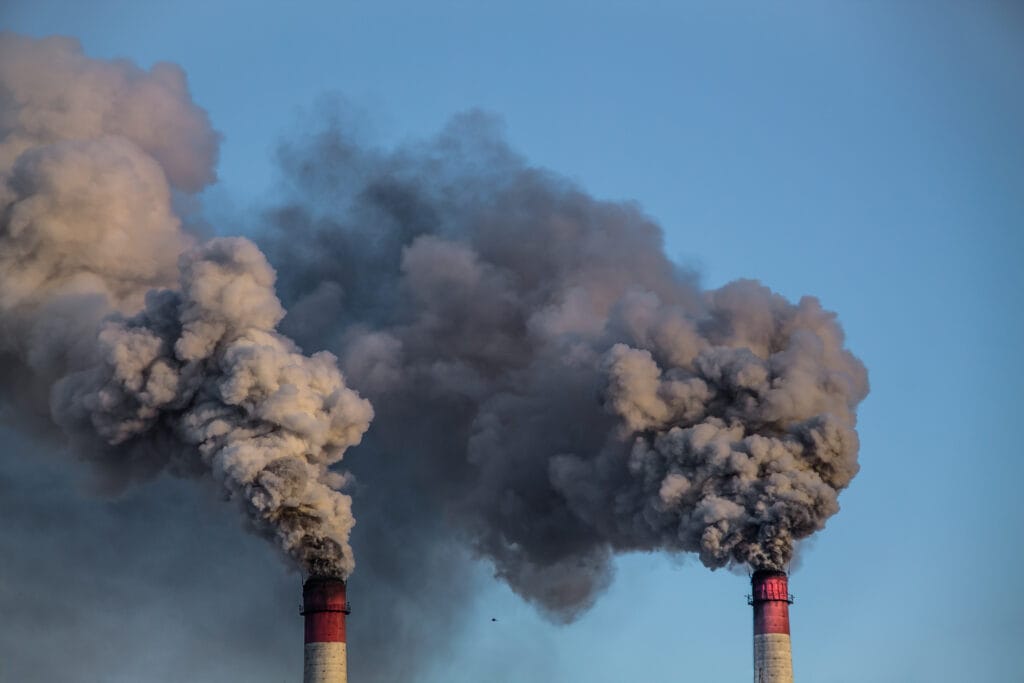
Technologies, efficiency, and hydrogen drive the competitiveness of heavy industry The energy transition is profoundly reshaping heavy industry. Steel, chemicals, cement, and other energy-intensive sectors are being forced to rethink processes and production models in order to reduce emissions and dependence on fossil fuels. The electrification of processes, the use of hydrogen, heat recovery, and advanced energy efficiency systems are becoming strategic assets for industrial competitiveness. The energy impact of global industry According to the International Energy Agency, industry accounts for around 37% of global energy consumption and more than a quarter of energy-related CO₂ emissions. So-called hard-to-abate sectors—such as steel, cement, and chemicals—play a significant role in this balance, as they require very high temperatures and large amounts of energy in their production processes. Reducing the environmental impact of these value chains is therefore one of the central challenges of decarbonisation. The steel sector is among the most affected. Data from the World Steel Association indicate that global steel production is responsible for approximately 7-9% of global CO₂ emissions. For this reason, many companies are experimenting with innovative technologies such as the direct reduction of iron ore using green hydrogen or the use of electric arc furnaces powered by renewable energy—solutions that could drastically reduce the carbon footprint compared to traditional blast furnaces. Efficiency and innovation to reduce costs and emissions In parallel, there is growing attention toward energy efficiency. Heat recovery systems, plant digitalization, and consumption monitoring allow for the optimization of energy use and the containment of operating costs. According to various analyses by the International Energy Agency, a large-scale deployment of currently available technologies could already guarantee a significant reduction in industrial energy consumption. In a context characterized by energy price volatility and geopolitical tensions over supplies, energy management thus becomes a decisive factor for the stability and competitiveness of businesses. Investing in clean technologies, security of supply, and process innovation means not only reducing emissions but also strengthening positioning in global markets and building more resilient production chains in the long term.