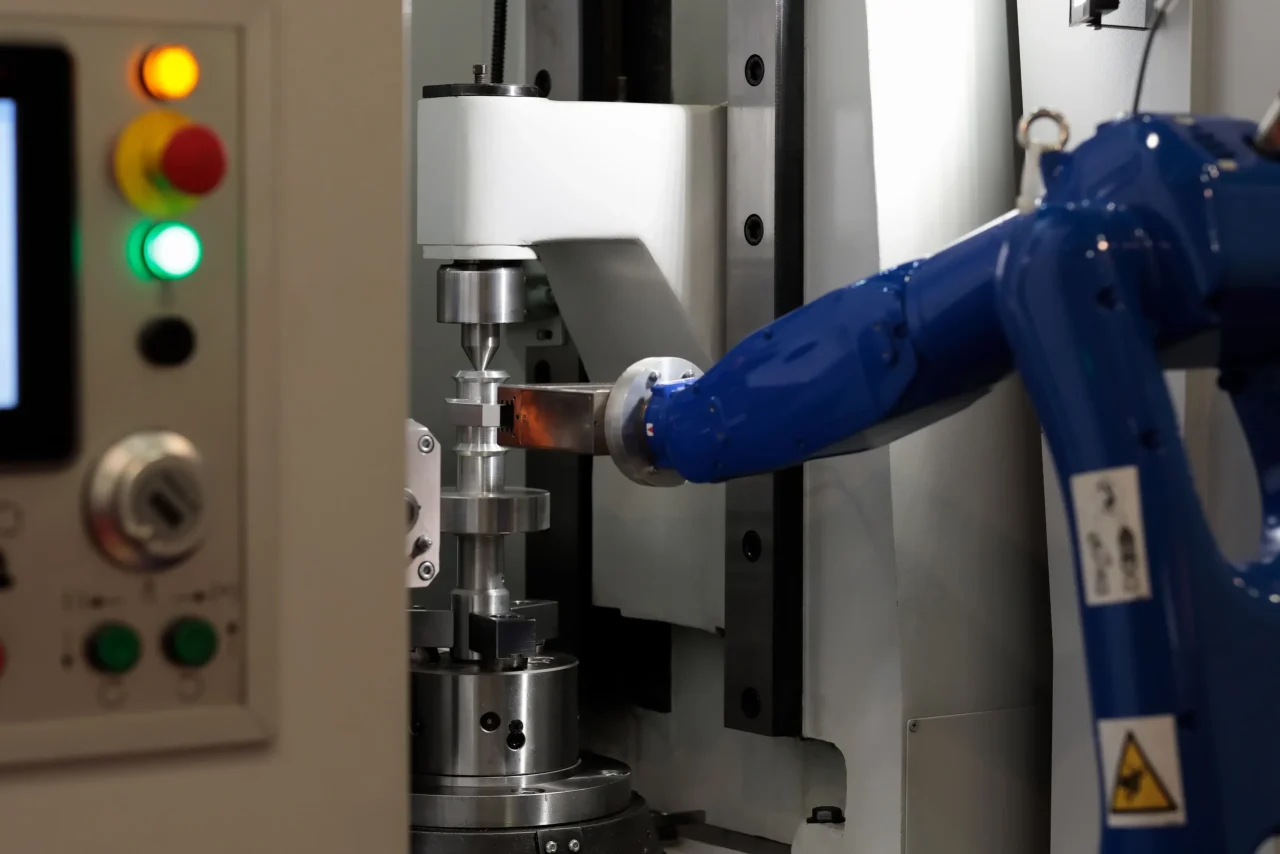
Automation and intelligent machining are reshaping global industrial production.
Precision manufacturing is undergoing a profound transformation, driven by the integration of advanced mechanics, digitalisation and intelligent control systems. Technologies related to metalworking, in particular, are among the most dynamic segments of the global industry today, with a market value exceeding €600 billion worldwide and sustained growth in highly automated sectors. In this context, the leading international platforms dedicated to industrial production bring together more than 1,500 exhibitors from over 40 countries and around 90,000–100,000 professional visitors at each edition, confirming the strategic role of the sector as a hub for innovation and technological exchange.
From Machine Tools to the Smart Factory
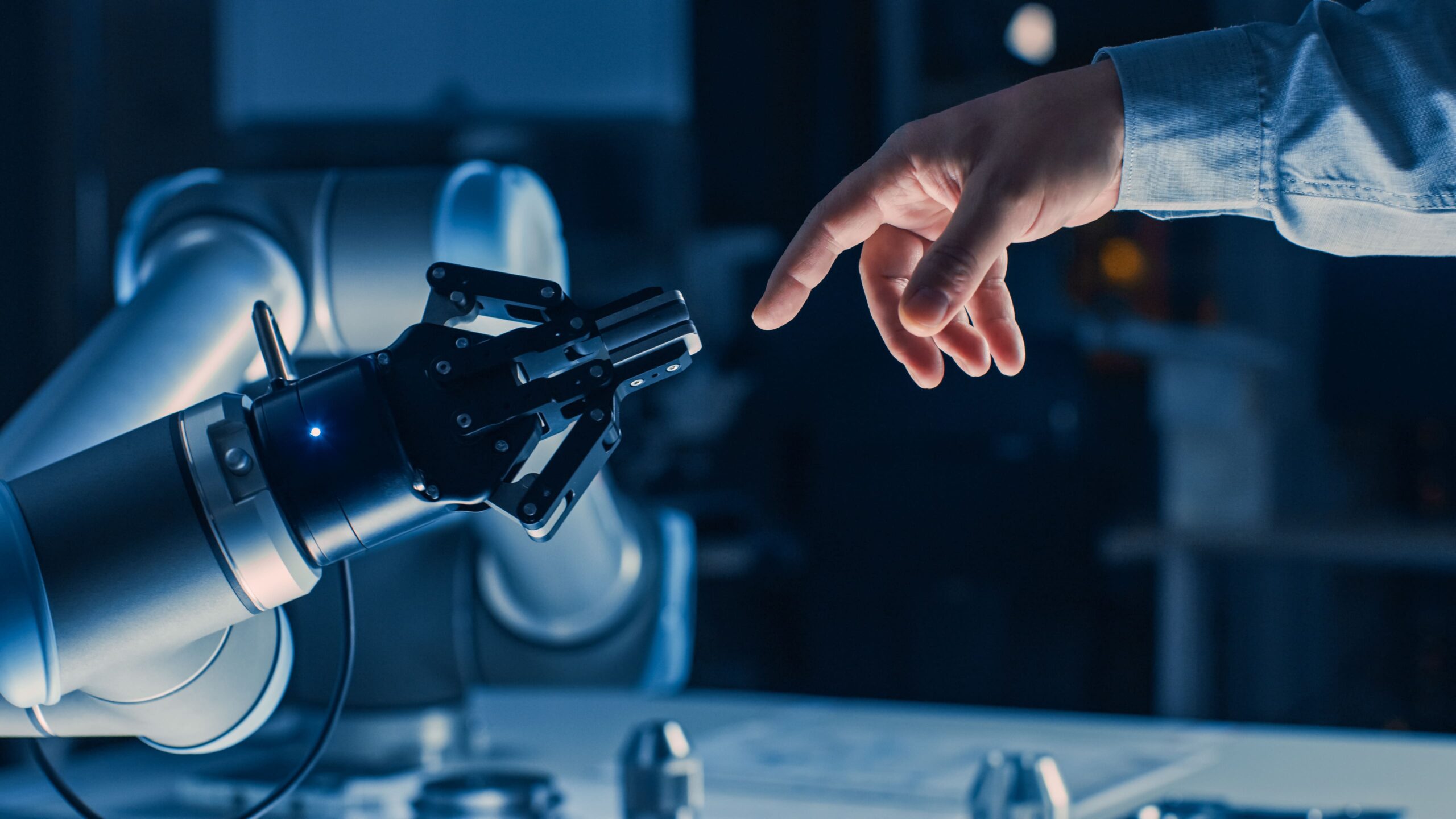
The core of this transformation is the shift from individual machines to connected factories. New generations of CNC systems, collaborative robotics and multifunctional machining centres are increasingly integrated with data analysis software and cloud platforms. This enables real-time production management, with precision levels reaching the micron scale and error reductions of up to 30% compared with traditional systems, according to several industry analyses. Predictive maintenance, powered by sensors and algorithms, also helps reduce unplanned machine downtime and improve operational continuity.
Automation and Sustainability: A Necessary Balance
The drive towards efficiency is not only focused on productivity but also on sustainability. Companies are adopting systems that optimise the energy consumption of production lines, with reductions that in some cases reach 15–25% of overall consumption thanks to intelligent cycle management and energy recovery solutions. At the same time, attention to waste reduction is increasing: digital manufacturing allows companies to plan cutting processes and operations with extreme precision, minimising material waste and optimising resource use.
However, the real evolution does not concern individual technologies alone, but their integration. The Industrial Internet of Things is transforming factories into interconnected ecosystems where machines, sensors and software constantly communicate with each other. This model enables more flexible production, capable of quickly adapting to customised batches and changing market demands, without compromising efficiency and quality.