


From architectural design to everyday spaces
Silence, comfort, quality of life.
Three key words that are reshaping the way we design and experience spaces today.
Acoustics, long considered a secondary aspect of design, has become one of the most relevant trends in contemporary interior design.
Growing attention to sustainability, the need for energy-efficient buildings, and the rise of multifunctional spaces have brought acoustic comfort to the forefront, making it a key factor in the usability and attractiveness of interiors.
This is no longer just about technical solutions for offices, schools, or concert halls: acoustic well-being has also entered residential and commercial spaces, where sound quality affects relaxation, concentration, and even the shopping experience.
In this sense, interior design is becoming increasingly interdisciplinary, with architects and designers working closely with engineers and acoustic consultants to develop integrated solutions.
Form and function: the new balance
The most innovative companies have embraced this trend and are developing systems that combine aesthetics and performance.
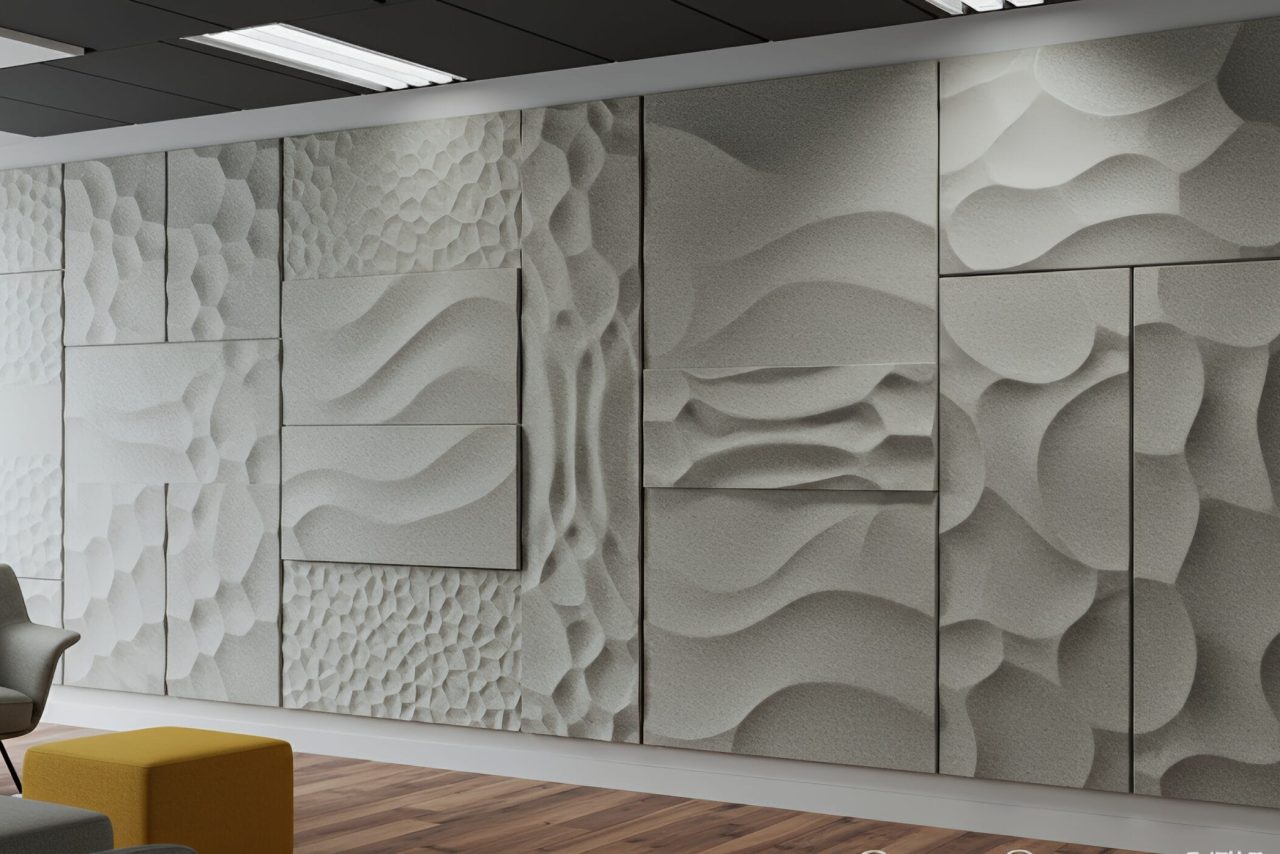
Acoustic panels with sophisticated designs, technical textile coverings, floors and ceilings that improve insulation without compromising aesthetics: the market is increasingly offering solutions where function is seamlessly integrated into design.
This represents a paradigm shift in which acoustics interacts with light, colours, materials, and even smart home technologies.
New lifestyles also play a major role: remote working, shared spaces, open-plan offices, and coworking environments have accelerated this transformation. Multifunctional environments require solutions that ensure privacy, comfort, and flexibility.
In this context, acoustic design is no longer an “option”, but an essential component of architectural quality.
DOMOTEX: the reference platform
For this very reason, DOMOTEX, the leading international trade fair for flooring and interior design, is highlighting this topic.
Within the Architects’ Space, acoustics will be one of the main focuses: an opportunity to explore new technologies and products, but also to reflect on the cultural role of sound design in interiors.
The goal is to show that acoustic comfort is not only a technical requirement, but a value that influences spatial perception, social relationships, and even productivity.
Experts agree: in the coming years, acoustics will become even more central.
The combination of stricter regulations, new housing needs, and rising user expectations will drive demand for integrated solutions.
A trend that represents not only a challenge for designers and companies, but also a major opportunity to redefine the standards of contemporary design.