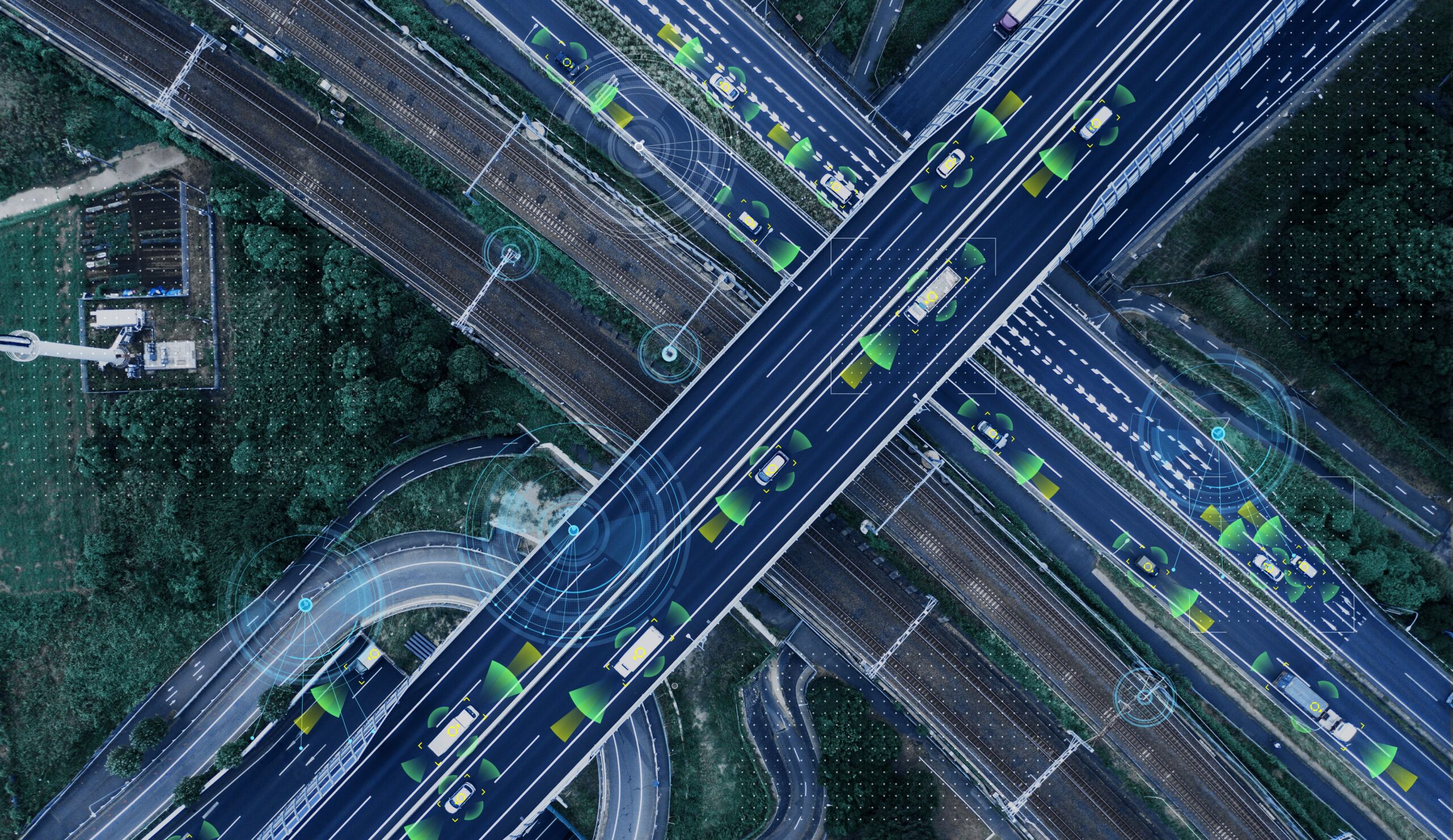


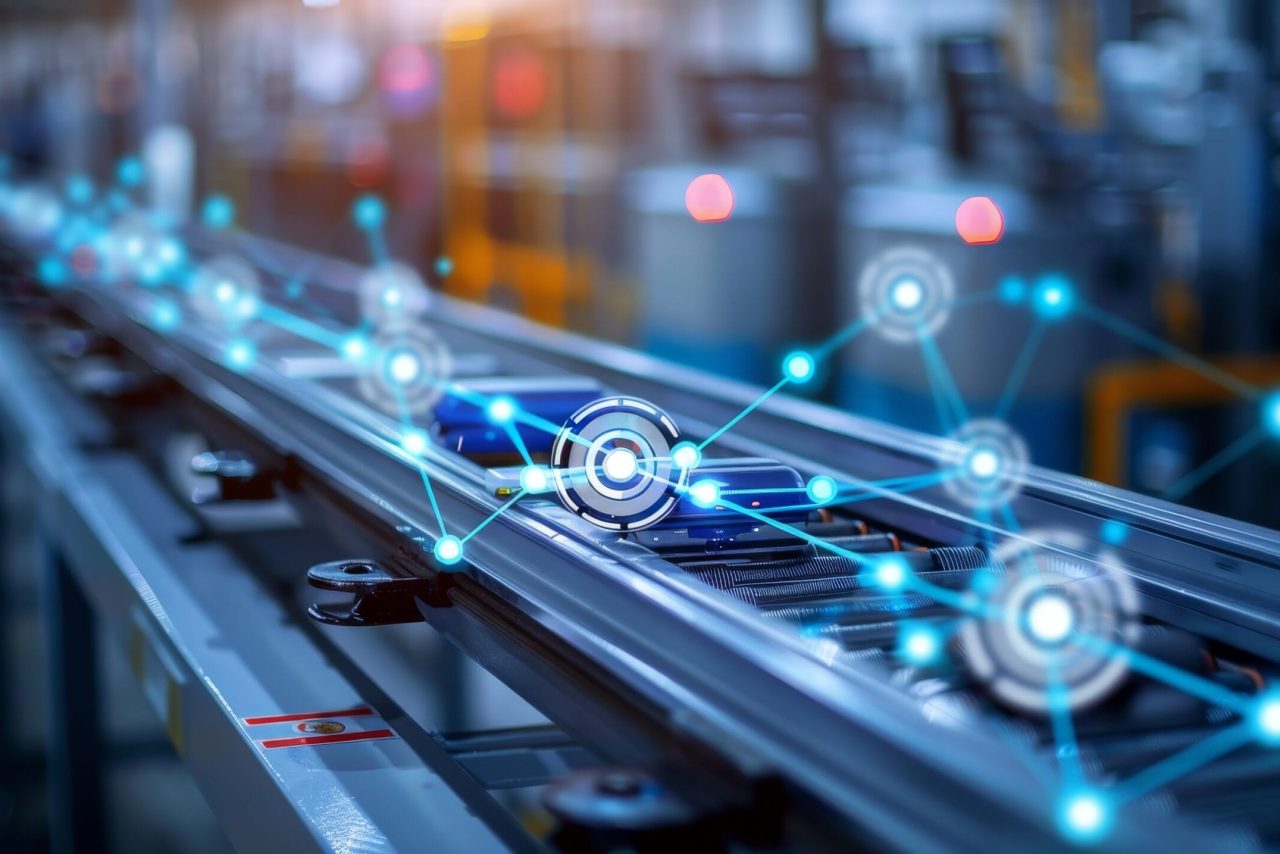
Almost everyone – or at least most of us – is familiar with Matrix, the invisible data network in which we are immersed every second of our lives. Everything is intelligent, everything speaks and communicates: from cars to coffee machines. In this interconnected system, data and information represent the raw material of artificial intelligence, which uses them to build behavioral patterns and identify cause-and-effect relationships: when certain conditions occur, certain responses are triggered.
A model that has been used for years in logistics to optimize routes has expanded into hundreds of other fields (from fast fashion to tourism) and is rapidly entering factories, transforming how they operate.
This continuous exchange of information is highly energy-intensive and complex to manage. As long as only devices that update once a month communicate – like a coffee machine with its supplier – the impact is minimal. But in an industrial environment where machines must communicate 24/7, 365 days a year, the situation changes: bandwidth is never enough, energy consumption increases, and the cloud risks being overwhelmed by massive amounts of data, much of it redundant or of low value.
The answer to this challenge is Edge AI: moving artificial intelligence directly “to the edge”, inside the very devices that generate the data – such as PLCs, controllers, and smart sensors – avoiding the need for an intermediate cloud layer.
This paradigm shift delivers tangible benefits. By reducing the distance between raw data and analysis, latency decreases: systems can react in real time without relying on external connectivity. In critical applications – such as visual quality inspection or inline inspection – this means automated decisions at speeds the cloud cannot guarantee.
Reliability is another key factor. In production environments where continuity is everything, local intelligence allows systems to keep running even when disconnected. The machine continues operating because it “thinks on its own”.
Equally important is data security: processing information locally reduces risks related to transmission, such as data loss or breaches, while protecting industrial know-how and intellectual property.
But the real leap forward is something else: Edge AI filters and processes data before it leaves the machine, sending only truly valuable information to central systems. Less network traffic, lower energy consumption, leaner data centers, and faster decisions.
Applications are already widespread. In predictive maintenance, machine learning algorithms embedded in controllers detect early signs of failure, reducing downtime. In quality control, edge processing enables defect detection on moving parts without sending images to the cloud. In automated inspection, immediate response improves efficiency and accuracy.
In summary, Edge AI is not just a technological evolution but a new industrial philosophy. A way of handling data that maximizes its value at the source, reduces waste, and improves performance. A distributed intelligence that does not live “in the clouds” but works where it is truly needed: directly in the factory.