

Machining of metal, wood, plastic, and composite materials using milling machines and lathes has reached a turning point: advanced technologies such as robotics and computer numerical control (CNC), once separate, are now converging into a strategic alliance that is redefining modern production parameters.
The fusion of these rapidly growing innovations has given rise to CNC robotics, enabling unprecedented levels of precision, control, efficiency, reproducibility, and quality.
This major transformation affects multiple sectors such as aerospace, construction, medical, industrial, automotive, and craftsmanship.
Humans are no longer at the center of manual production but now focus on maintenance, design, and supervision, effectively handing over industrial production to new technologies.
The rapid evolution of CNC machines
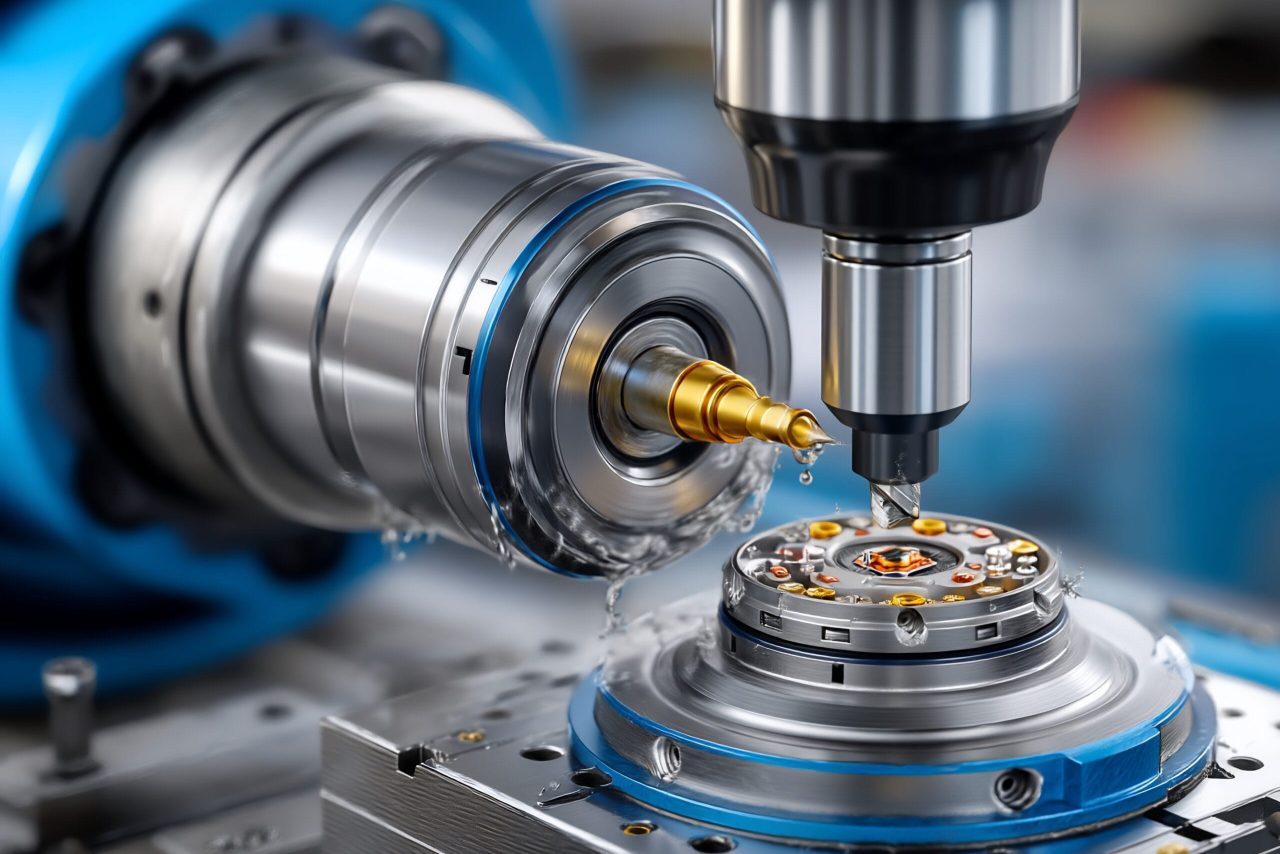
Computer numerical control machines are now used across almost all industrial sectors. They precisely control machine axes via a computer that defines tool paths and operations automatically.
Before CNC technology, production relied entirely on human labor, with limitations in both quality and quantity, as well as errors causing delays and additional costs.
The first CNC systems appeared in the 1940s, using punched cards to control machine movements for helicopter components. Engineer John T. Parsons is credited as a pioneer.
In the 1960s, analog systems were replaced by digital control systems, improving efficiency and flexibility.
In the 1970s and 1980s, CAD (Computer-Aided Design) and CAM (Computer-Aided Manufacturing) software revolutionized production.
Multi-axis machines later enabled machining multiple sides of a part without manual repositioning.
Autonomy, precision and efficiency in CNC robotics
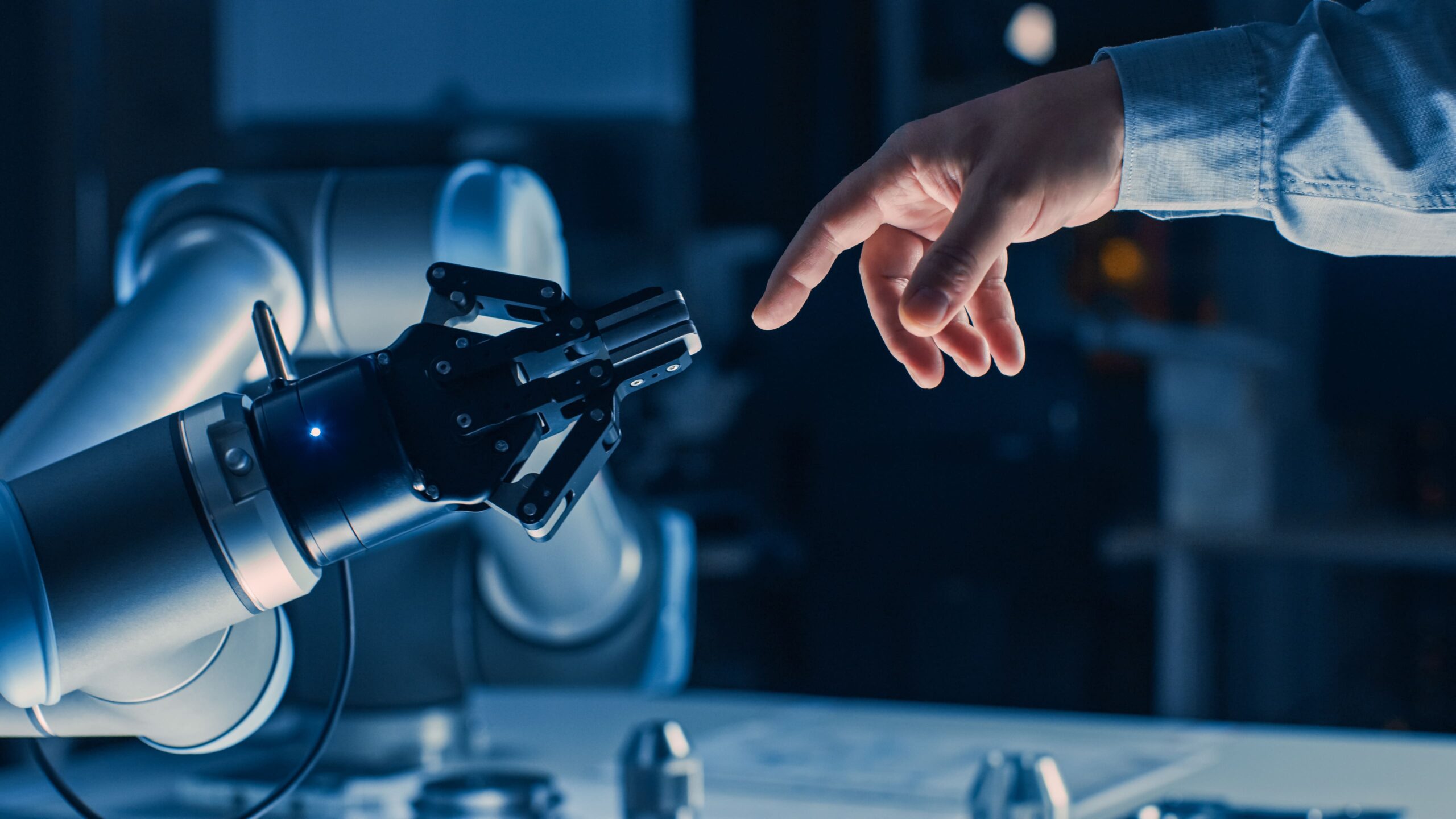
The boundary between robotics and CNC has almost disappeared. Both technologies are now deeply integrated.
- Aerospace parts such as aircraft and rocket components
- Engine blocks and cylinder heads (automotive)
- Prosthetics and surgical instruments (medical field)
- Custom prefabricated panels (construction)
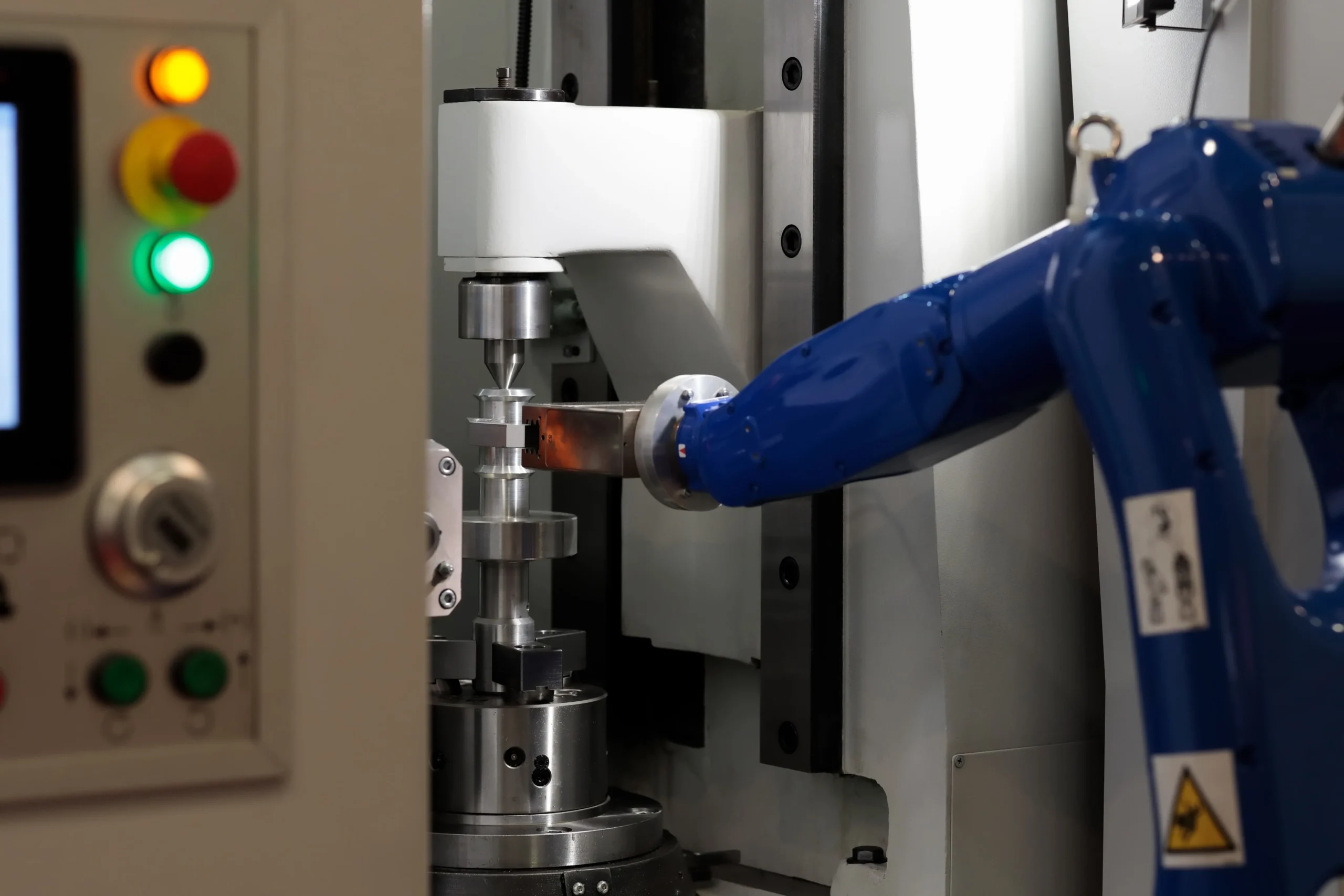
CNC machines already achieved high automation but still required human intervention for loading, unloading, or supervision.
The integration of robotics has enabled fully autonomous production systems capable of handling workflows from start to finish.
CNC robotics thus emerges as an intelligent, automated system delivering extremely high precision and near-unlimited repeatability.
- Loading and unloading CNC machines
- Transport between workstations
- Assembly, welding, cutting, finishing, and polishing operations
- Quality inspection using sensors and vision systems
Thanks to AI and machine learning, systems can adapt in real time, perform predictive maintenance, optimize processes, and reduce waste while improving quality.
In some cases, robots are equipped with tools and become fully robotic CNC machines themselves.
CNC robotics, future scenarios and EMO 2025
The present and future of manufacturing relies on CNC robotics, enabling fast delivery times, high customization, minimal error rates, and optimized workspace usage.
Collaborative robots (cobots), designed to safely work alongside humans, will further transform the industry.
A key event for exploring these trends is EMO 2025, the world-leading trade fair for production technologies, taking place from 22 to 26 September in Hanover.