
The themes of the trade fair meet current needs
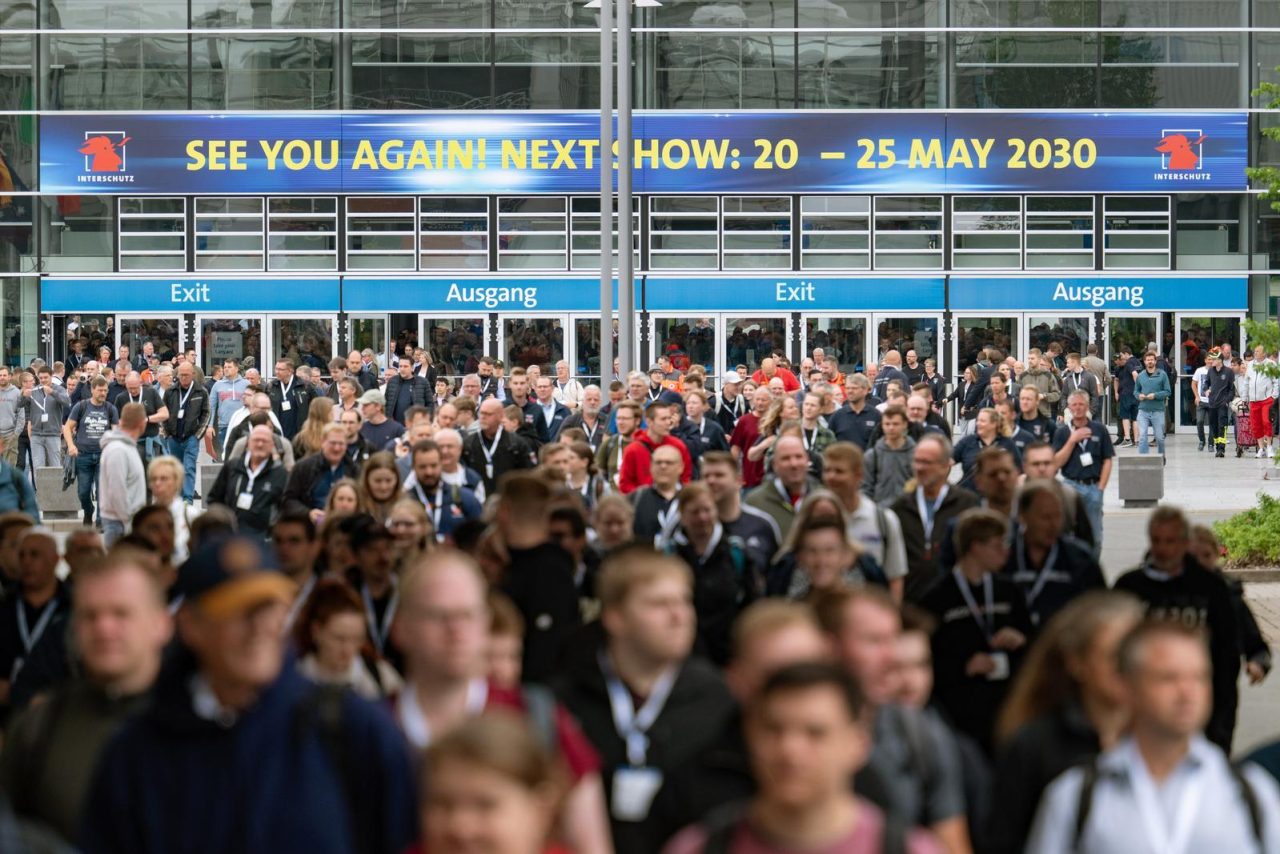
Hannover. fully delivered on its promises. With around 140,000 visitors from 144 countries, the world’s leading trade fair for fire services, rescue, and civil protection, held from June 1 to 6 and organized by , sent a clear message: safety and societal resilience are among the central topics of our time. The strong international interest highlighted the growing need for exchange, innovation, and global cooperation.
“The importance of fire services, rescue, and civil protection is more deeply rooted than ever in people’s awareness worldwide,” said Dr. Jochen Köckler, Chairman of the Management Board of , at the Hannover exhibition center.
“Our clients had clearly expressed the goal of increasing the international share of visitors at , and we succeeded. Compared to 2015, the share has almost doubled, rising from 13% to 24%. This result underscores the central role of INTERSCHUTZ at a time when resilience and civil protection are becoming increasingly important globally. Focusing on civil protection has proven to be a strategically successful decision, confirmed by industry feedback,” Köckler added.
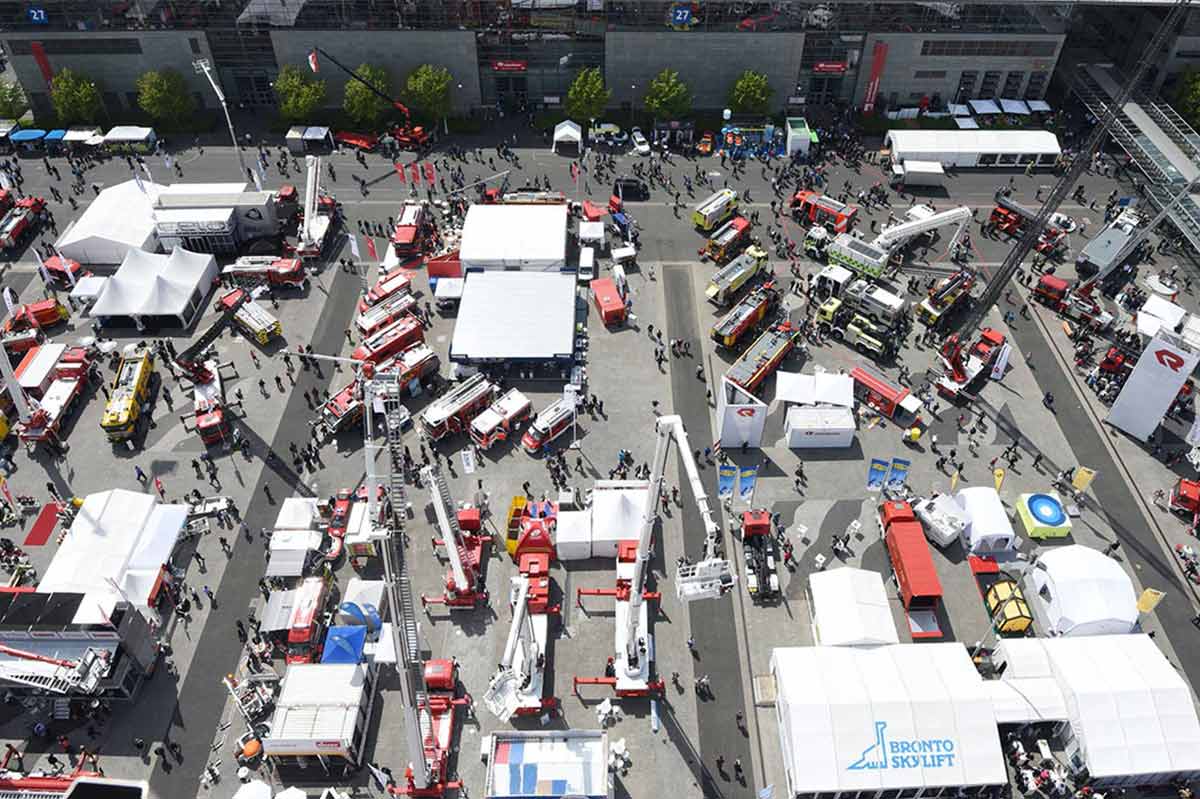
With 1,772 exhibitors from 55 countries and around 120,000 square meters of exhibition space, the fair reaffirmed its role as the most important international meeting point for the sector. “ perfectly reflects the needs of the moment. It is more relevant than ever. The high level of innovation, the presence of international decision-makers, the large crowds at the stands, and strong public interest show that these topics go far beyond the technical community. They are fundamental pillars of a resilient society and are increasingly central to politics and business,” Köckler summarized.
Challenges related to natural disasters, extreme weather events, and hybrid threats have never been greater. “At , responses were concentrated like nowhere else. The guiding theme ‘Safeguarding tomorrow’ ran through all six days of the fair,” Köckler stated.
Resilience is no longer a future issue
The international rescue community turned into not only an innovation and technology marketplace but also a strategic turning point for safety. “Society’s ability to act is increasingly decided locally: through well-trained people taking responsibility, efficient organizations cooperating internationally, and modern technologies that protect responders, accelerate decisions, and save lives,” Köckler explained.
A growing civil-military cooperation also became evident. Strong interest was shown in Colonel Armin Schaus’ daily presentation on the “Operationsplan Deutschland,” highlighting the importance of national resilience. One example was the first presentation of a modular bunker system.
Innovation is not an end in itself – the sector looks to the future with confidence
Vehicle manufacturers, equipment suppliers, and PPE producers are investing heavily in development. However, the message is not “more technology,” but “greater operational effectiveness.” once again proved to be the ideal platform for direct exchange between practice and industry. Throughout the six days, commercial and institutional exhibitors met, enabling essential dialogue between users and manufacturers in the rescue community.
“Those seeking innovation come to INTERSCHUTZ. Nowhere else is there a comparable portfolio of high-performance technologies for fire and rescue services,” said Dr. Tobias Ehrhard of .
According to Karl-Heinz Banse, president of the , INTERSCHUTZ brought strong momentum to the fire service sector. Dirk Aschenbrenner, president of the , emphasized the importance of institutional exhibitors for the success of the fair.
Digitalization and AI in the spotlight
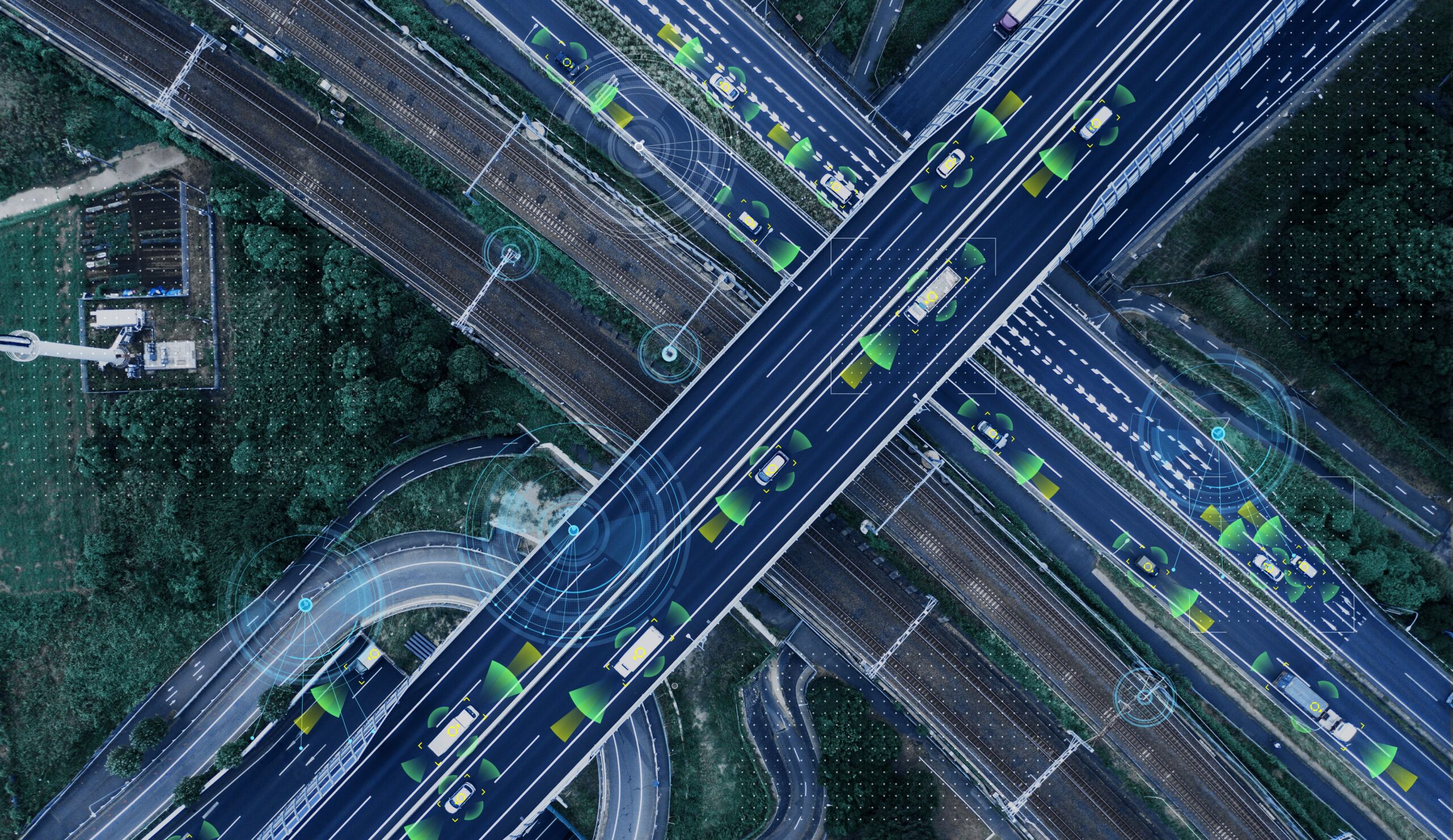
Across nine halls and outdoor areas, two major trends stood out: digitalization and the widespread use of artificial intelligence in emergency infrastructure. Technologies presented included intelligent control centers capable of analyzing emergency calls in seconds, generating operational scenarios, and coordinating response forces with unprecedented precision. Robotics, sustainability, and climate change adaptation also played a major role.
The debut of the WildfireCamp highlighted solutions for early wildfire detection and management.
Strong interest in the DRK field hospital
One of the highlights was a 3,000-square-meter mobile field hospital of the German Red Cross. “Despite technological progress, made one thing clear: people remain at the center,” said Köckler.
The next will take place from May 20 to 25, 2030, in Hannover.
Related international events include , , and .