


Technologies, efficiency, and hydrogen drive the competitiveness of heavy industry
The energy transition is profoundly reshaping heavy industry.
Steel, chemicals, cement, and other energy-intensive sectors are being forced to rethink processes and production models in order to reduce emissions and dependence on fossil fuels. The electrification of processes, the use of hydrogen, heat recovery, and advanced energy efficiency systems are becoming strategic assets for industrial competitiveness.
The energy impact of global industry
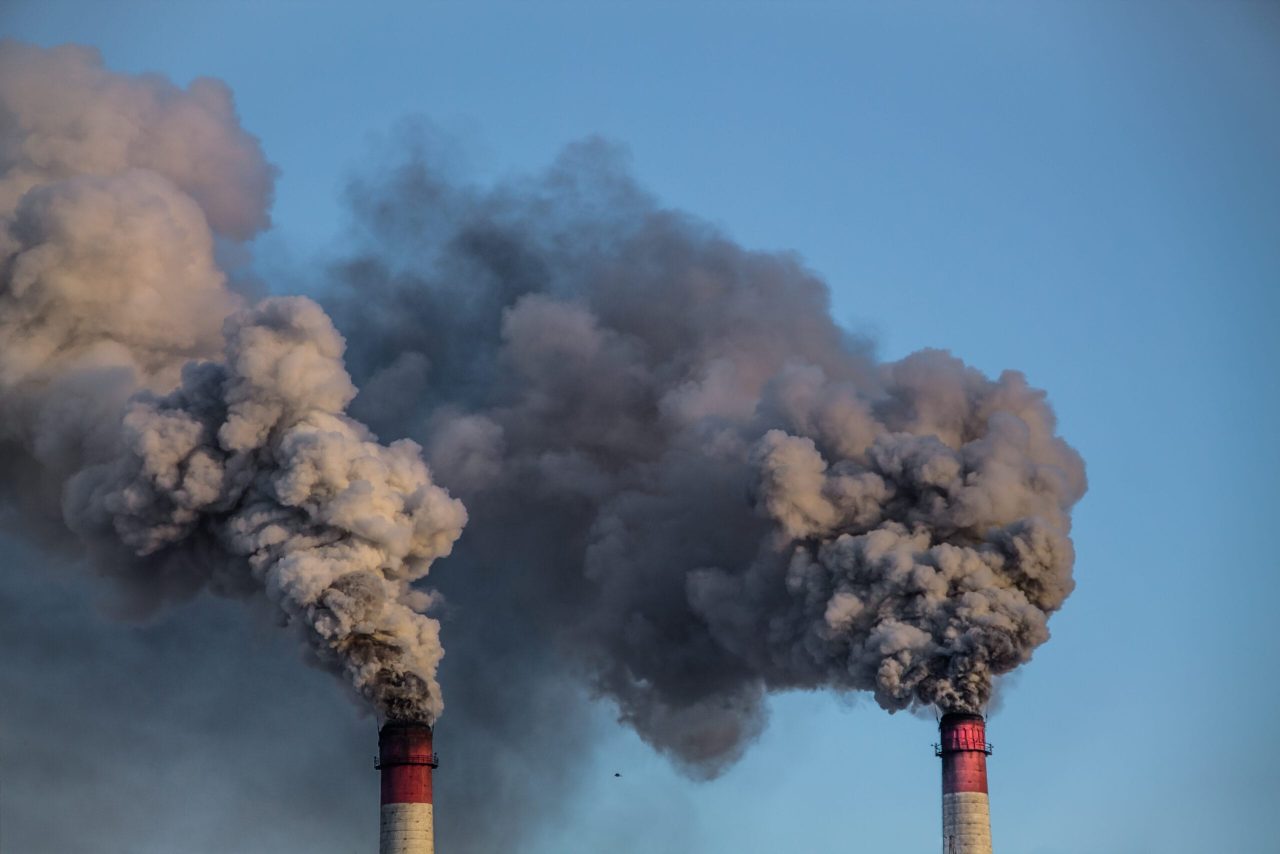
According to the International Energy Agency, industry accounts for around 37% of global energy consumption and more than a quarter of energy-related CO₂ emissions. So-called hard-to-abate sectors—such as steel, cement, and chemicals—play a significant role in this balance, as they require very high temperatures and large amounts of energy in their production processes. Reducing the environmental impact of these value chains is therefore one of the central challenges of decarbonisation.
The steel sector is among the most affected. Data from the World Steel Association indicate that global steel production is responsible for approximately 7-9% of global CO₂ emissions. For this reason, many companies are experimenting with innovative technologies such as the direct reduction of iron ore using green hydrogen or the use of electric arc furnaces powered by renewable energy—solutions that could drastically reduce the carbon footprint compared to traditional blast furnaces.
Efficiency and innovation to reduce costs and emissions
In parallel, there is growing attention toward energy efficiency. Heat recovery systems, plant digitalization, and consumption monitoring allow for the optimization of energy use and the containment of operating costs. According to various analyses by the International Energy Agency, a large-scale deployment of currently available technologies could already guarantee a significant reduction in industrial energy consumption.
In a context characterized by energy price volatility and geopolitical tensions over supplies, energy management thus becomes a decisive factor for the stability and competitiveness of businesses. Investing in clean technologies, security of supply, and process innovation means not only reducing emissions but also strengthening positioning in global markets and building more resilient production chains in the long term.